Coalfields to Wildwoods
EADAH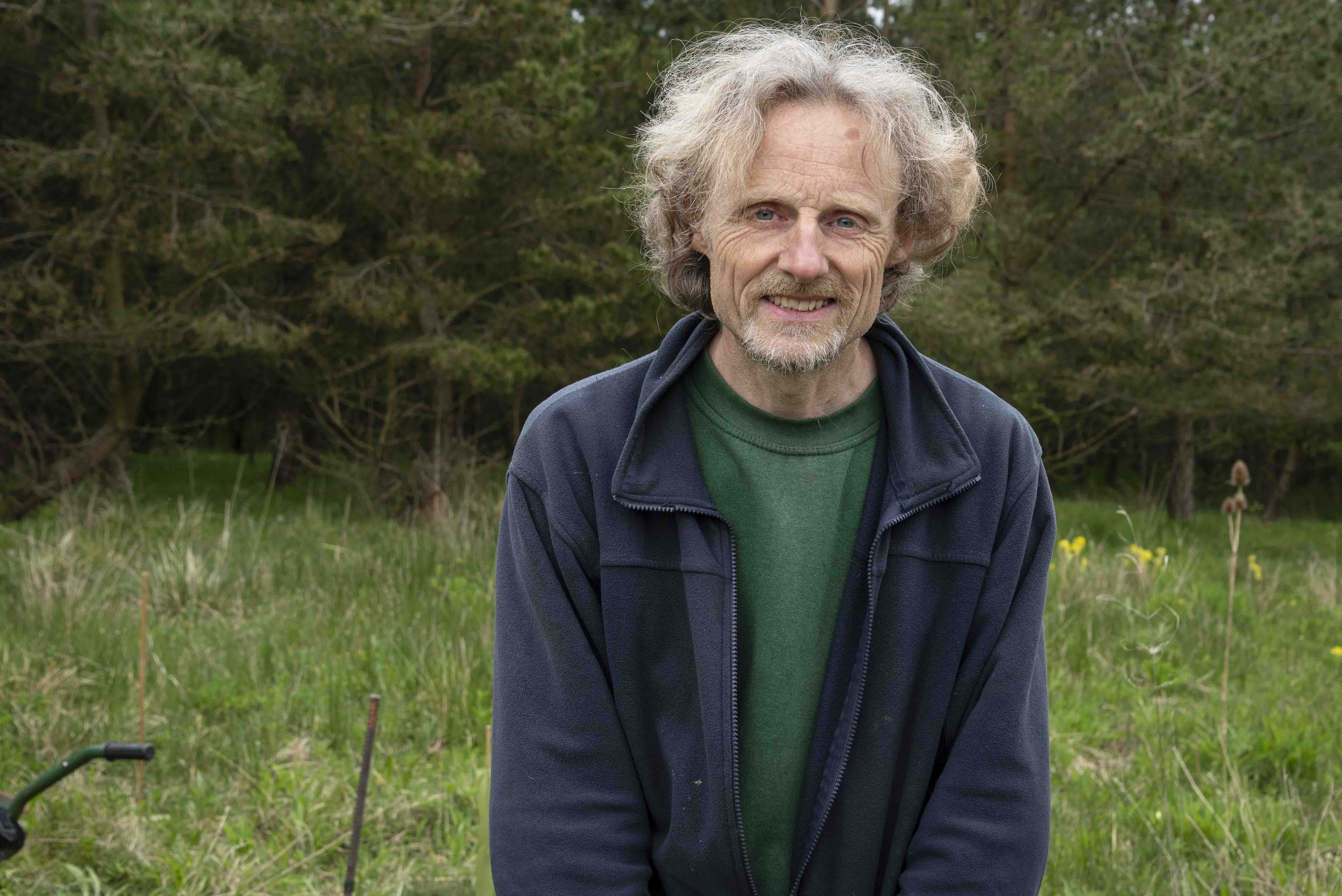
Peter Livingstone is the co- founder of Eadha, a small environmental charity based in Scotland with an aim of rare tree conservation and planting.
Eadha is the Gaelic name for the Aspen an ancient species native to Scotland that was on the brink of extinction here. The name translates as "the most buoyant one." It was traditionally used among other things, for making oars and boatbuilding.
The project is literally about the trees and the landscape but people play a huge part. We are inseparable from our environment, intimately connected to it in a two way flow. Humans wrought the valuable minerals from the earth to drive industry, fuelling the revolution that built an empire. Communities rose and fell around the effort. It is right and beautiful that the land is restored in the same spirit. Communities, especially the children in them play a valuable role in the Wildwoods project for all of our futures.
"We had been working with Forestry and Land Scotland to test planting trees on open cast sites. Aspen is a good pioneer species to put on poor quality or even contaminated ground. We are trying to promote interest in growing and using the species. It is an old native species that has been pushed to the margins. The truly wild native examples were down to just a handful. You could literally count them on the fingers of two hands. We saw the CCLP emerge as a potential partner. We have now documented and recorded all of those examples of wild Aspen that we could find and have cloned them in the lab to preserve the genes and create a planting stock."
Aspens are typically found on riverbanks and uplands. The general loss of natural forest habitat, commercial forestry and agriculture have all combined to push this fast growing and useful tree from sight. Once out of sight things often drop out of mind and this is what seems to have happened.
Aspen usually grows in small stands or groups and requires both male and female examples to procreate. They tend not to flower every year to produce seeds and actually need a bit of stress to help them along.
"They flower better after a long hot summer the year before as they don't like drought. On riverbanks beavers would often ring bark them and that produced enough stress in the tree to cause it to flower. We are planting these saplings to hopefully generate seed orchards as well as to increase diversity and provide habitat. Hannahston is a great example of a planted broadleaf forest."
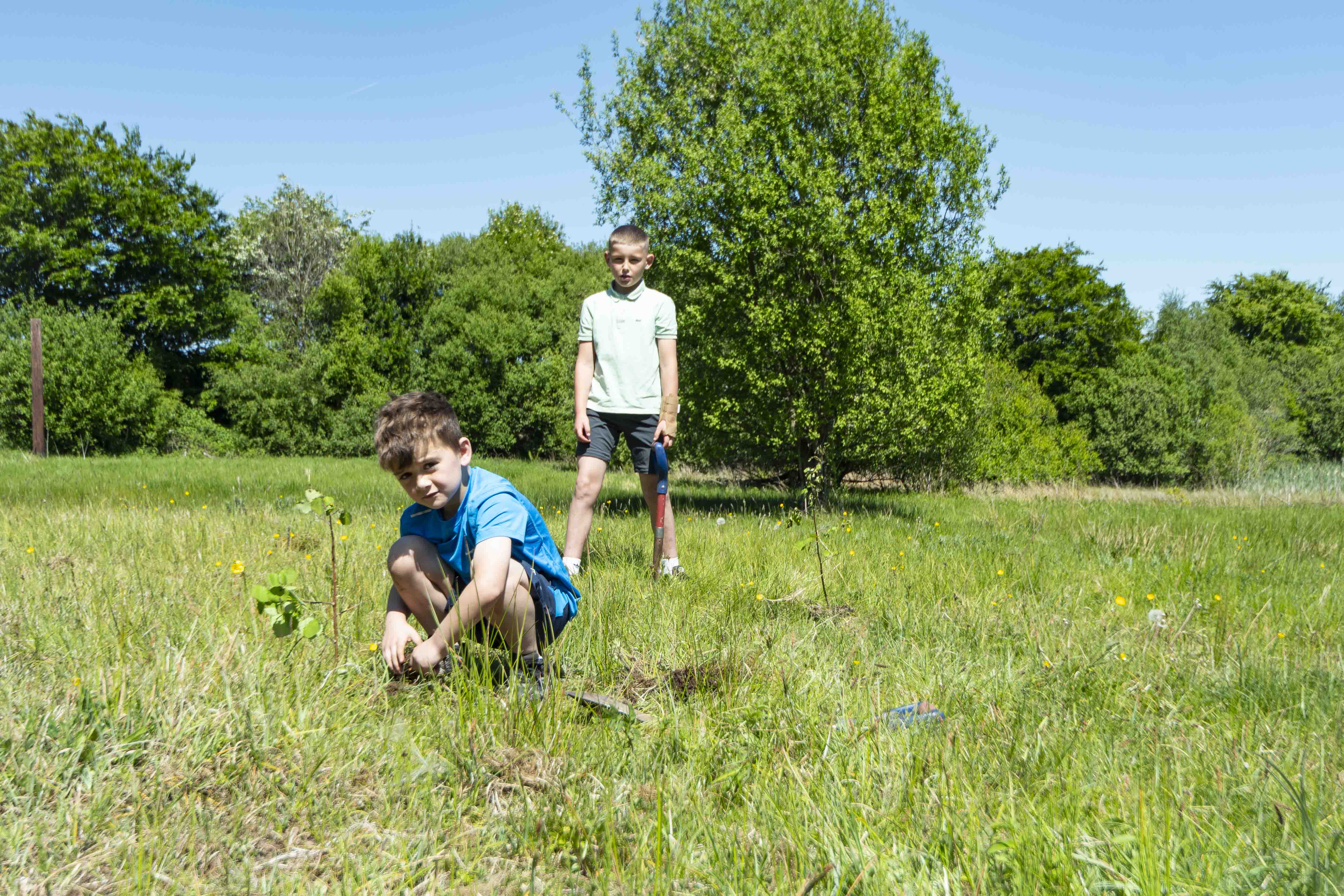
Aspens take about ten years to reach maturity, flower and begin to produce seeds on their own. That means it will take another six or seven years for the earliest examples from this project to have a chance to flourish by themselves. In the meantime they are inside biodegradable tube guards help protect them from rabbits and deer.
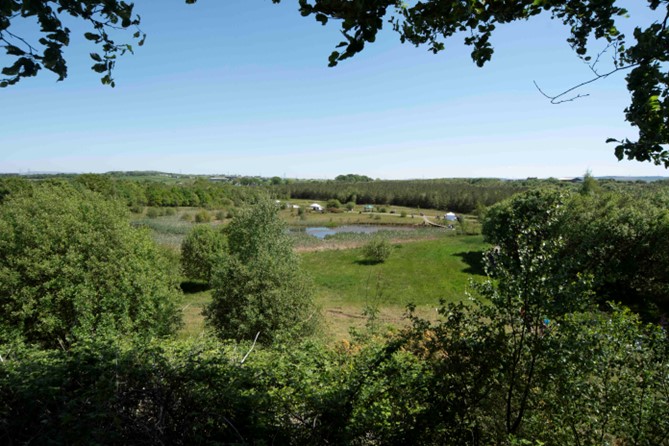
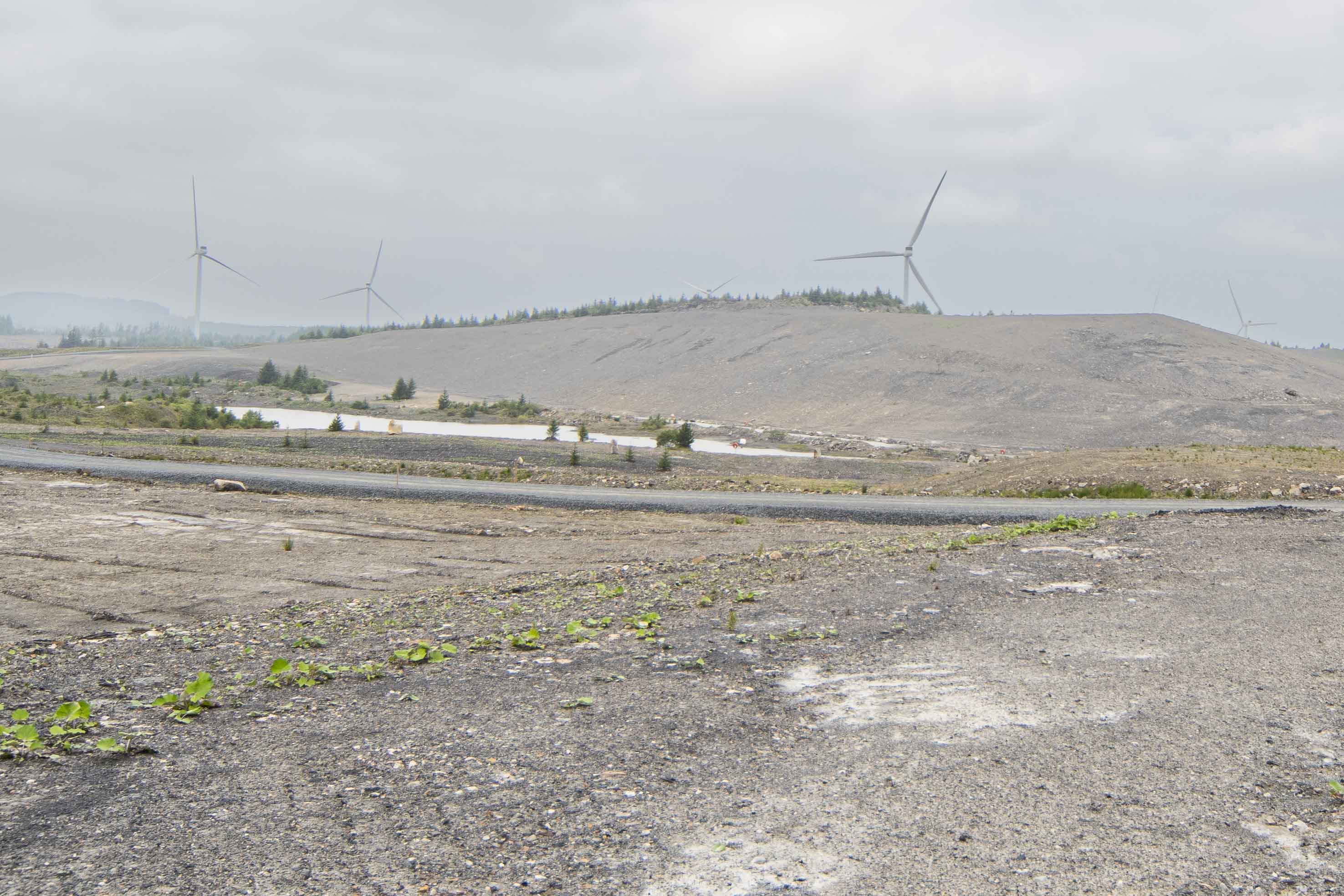
Just twenty years ago the space where these boys are planting trees was an open cast mine. A moonscape of exposed rock, dust and mud. It is now a much loved area of grasslands, paths and woodlands owned by the local community. A favourite spot for walking dogs, family picnics and an increasing array of species that make a significant contribution to the Biosphere.
As long as enough of these saplings make it to maturity there should be sufficient for a self regener-ating forest for the future.
Peter's hope for the future is that the species is able to thrive once more, not just in the landscape but in the hearts and minds of the community. Ideally people are encouraged to plant and grow them through choice for their beauty and usefulness. Peter has also been speaking to the Scottish Maritime Museum, especially the boat building school there. Hopefully as they preserve tradi-tional skills they will increasingly incorporate traditional materials too.
It is entirely possible that areas that were once "an environmental nightmare", can become beautiful wildwoods, capturing carbon from the atmosphere and returning it to the ground.
"With the CCLP we have planted over 13,000 trees so far with at least 5,000 more to come. There have been close to 1000 volunteers who have helped including schools and the com-munity wing of Kilmarnock football club. We planted a kilometre of hedge at Penyvenie Farm to form a boundary between some woodland and an open cast site. A great example that is easy to see is a gap site in Patna where they demolished some old houses. About a hundred kids from the local school took part in the project that sits alongside the main road. It has transformed a place of urban decay into a large wild garden that has become really popular. Taking wilderness right into the heart of the community."
Increasing diversity in tree species is another major aim of the project. Different strains of everything from Apple to Willow that are not readily available from nurseries or commercial outlets help to boost interest from humans, animals, birds and insects. The result is an enduring asset that is both func-tional and beautiful that should bring lasting pleasure for decades to come.