Life in Lost Villages
University of Strathclyde, Scottish Oral History Centre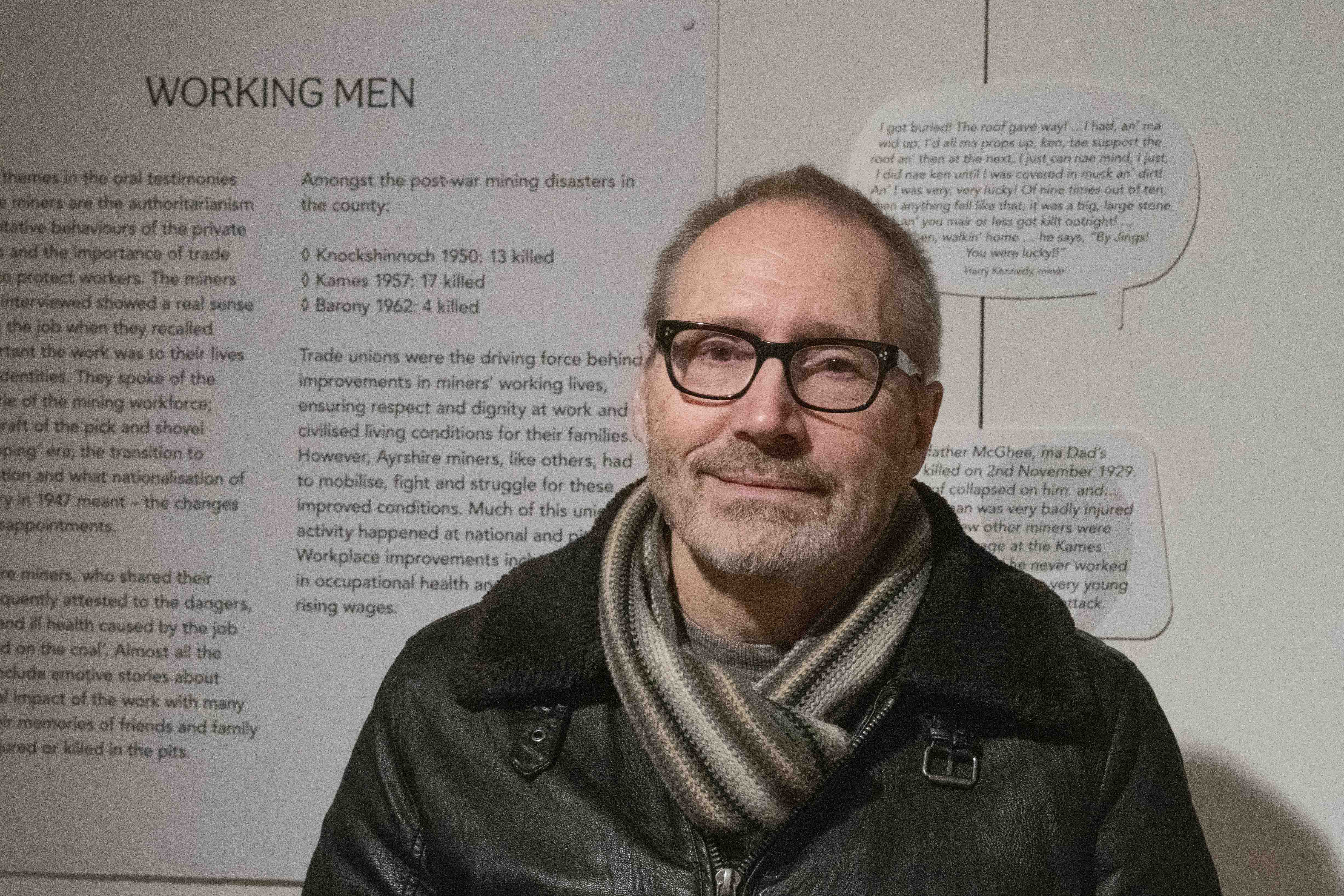
Life in the Lost Villages as a project was born within the Coalfields Community Landscape Partnership. It was cleverly outsourced to the Scottish Oral History Centre, the professionals who could nurture it to maturity.
The Centre was set up in 1995 to encourage oral history projects and is celebrating 30 years of success this year. Colin McDonald of the CCLP approached them to research and capture the memories of residents of the former mining villages in East Ayrshire.
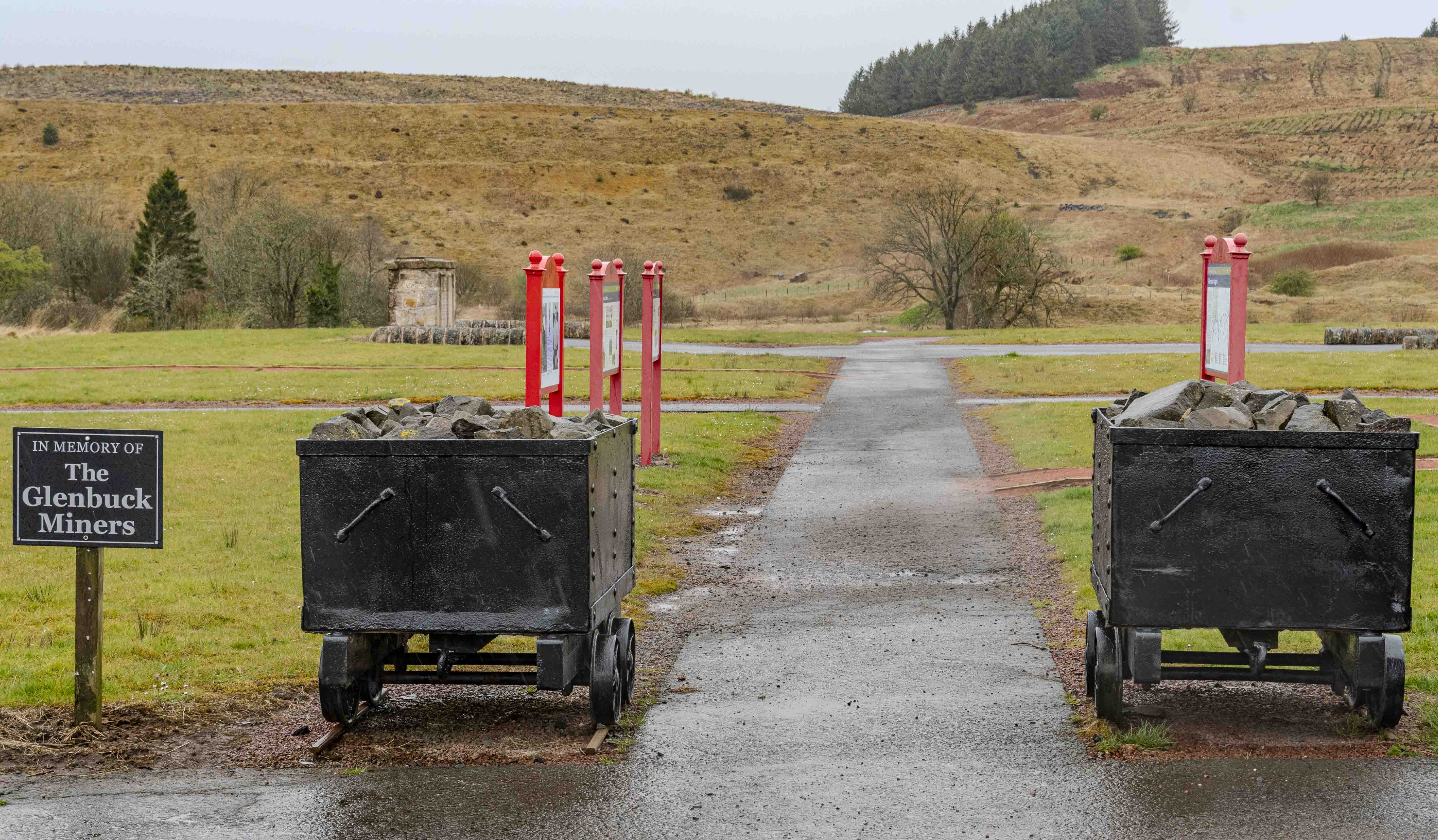
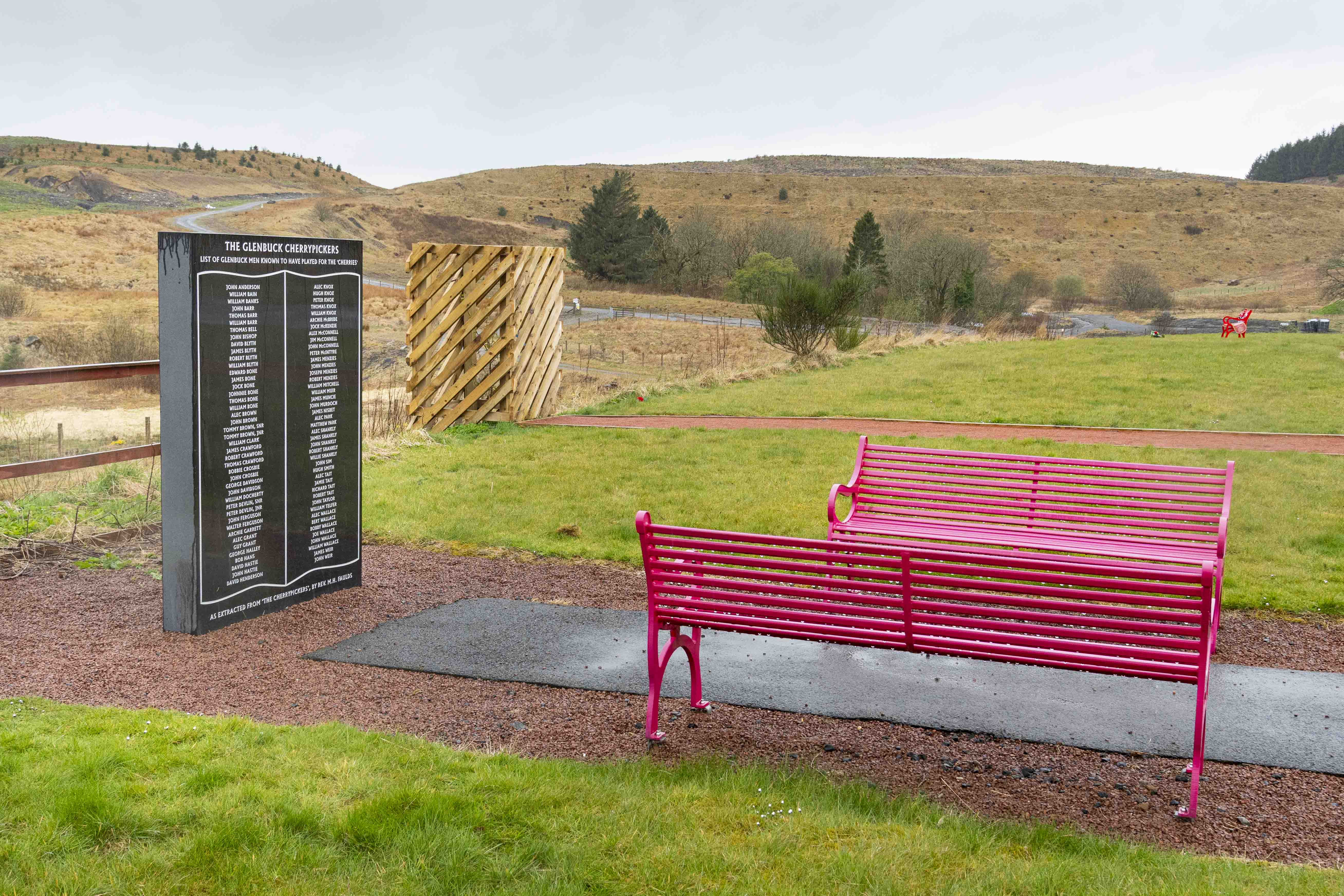
Most of those villages are completely gone now having been consumed by the open cast workings. Fragments of some remain although the residents of them all are scattered and ageing.
Arthur McIvor accepted the challenge and has been involved from the outset of the project which began with a pilot study. Sam Purdie a former resident of the village of Glenbuck with his own passion to share stories of the past was the first of many.
In February 2021 Yvonne McFadden joined the project as manager and Oral Historian. Yvonne was teaching at Strathclyde university but found the prospect of delving into stories of homes, history and the landscape very appealing.
Unfortunately Covid Pandemic restrictions made for a difficult start, so initial interviews were online or through the phone. It would be nine months before the first face to face interviews were possible.
The team were keen to obtain as many memories and anecdotes as possible as time takes its toll on people as well as places. There was a fear that the project was already a decade too late, however some fascinating and unexpected perspectives were uncovered along the way.
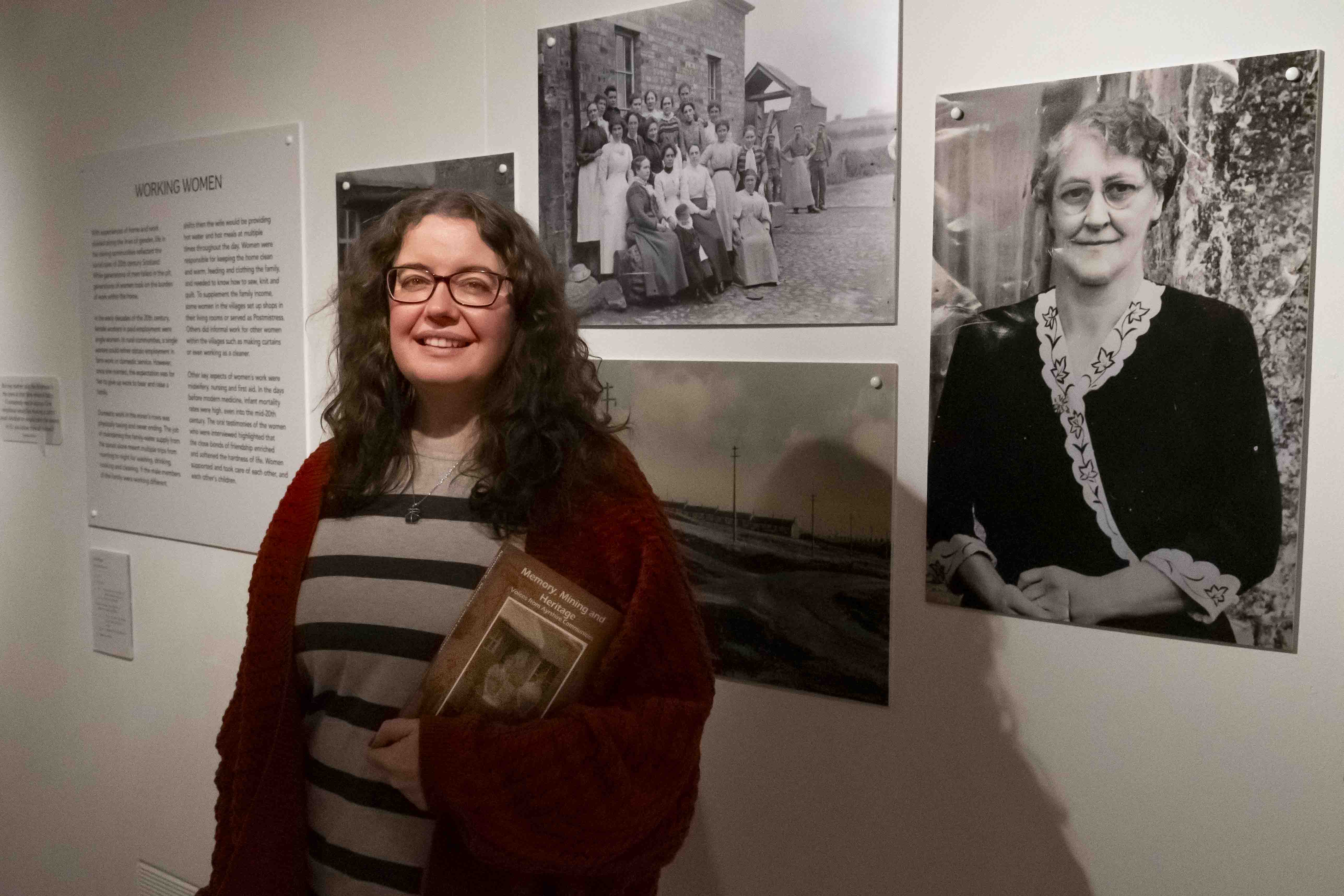
Contributions from former residents and their relatives flowed in. Not just stories but artefacts, pictures, documents books and even biographies were donated, many of which had not seen the light for a long time.
The work was compiled into a book entitled, “Memory, Mining and Heritage, Voices from Ayrshire Communities.” Yvonne and Arthur are the co-authors and the book is published by Carn Publishing Ltd.
Memories revealed a wide range of related topics beyond just the houses. Modernisation, Union membership and how life changes as mining evolved from deep mines to open cast pits. Social aspects contrast with the working lives of the men in the pits and the women at home or working in supporting industries are all there. The demise of the mining industry leading to the eventual closure is the dark shadow that makes the light of community so much brighter.
The interview for this part of the time capsule with Yvonne and Arthur was hosted by James Walker on Zoom and recorded for posterity. You can watch it here as the authors become part of the oral history of the area themselves. You can hear the story directly in their own words.
There are more sights and sounds of the Ayrshire communities from a more recent perspective, including music and poetry, in the Cumnock Tryst project.
The hope for the future is that the project will not only become a resource for study but will also provide inspiration for others to add to it. History is not a static thing, everything we do today is the history of the future. We may never know who will pick up the threads or where they will lead. It is impossible to say right now what things may become most significant further down the line, but perhaps there is a spark here that will inspire greatness in someone possibly yet to be born.
The possibility that some future researcher will say, "Im really glad they did that" is exciting in itself.
We may never know who will pick up the threads or where they will lead. It is impossible to say right now what things may become most significant further down the line, but perhaps there is a spark here that will inspire greatness in someone.That someone has maybe not even been born yet.