School Green Gyms
The Conservation Volunteers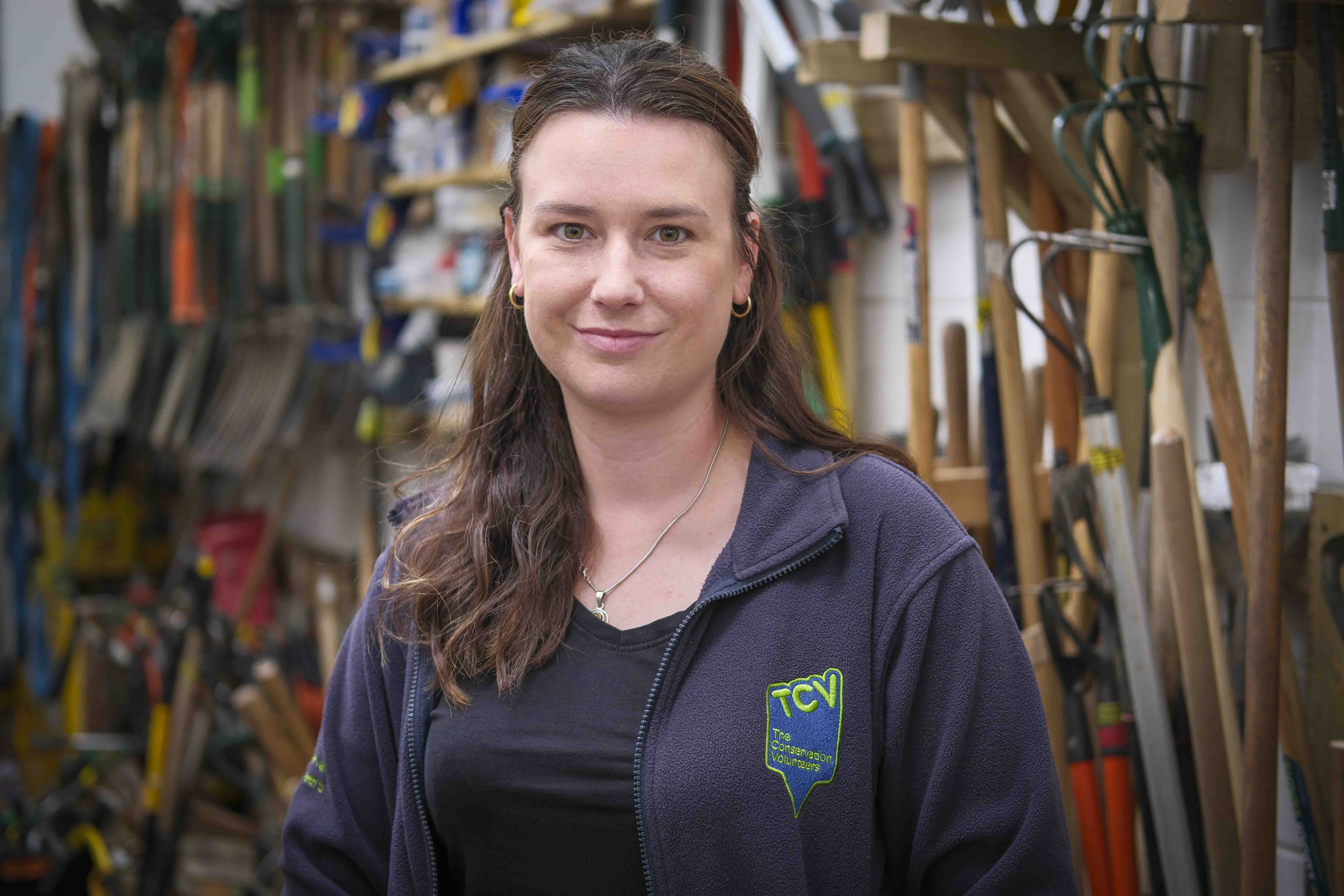
The title may suggest dumbbells carved from logs or some kind of assault course, but the reality is much more gentle.
The Green Gym is a concept invented by TCV, The Conservation Volunteers. Post COVID it was a real bonus for schools.
The project provided a way to combine curriculum learning with outdoor activities and an increased appreciation for the environment.
Schools were actively looking for ways to do more outside and maintain social distancing.
"We wanted to help children to learn in a different environment, one where they were free to learn. Some children didn't do well in the classroom where they needed to sit still. Adding an element of visual learning and movement was beneficial. We did gardening , helping children grow herbs and vegetables. Using their sense of smell to identify herbs. Bug hunts and nature walks were very popular."
Six primary schools and one High school took part. Laura would go into each once every two weeks to run the sessions with teachers.
Instead of simply learning about plants from books the children were able to explore and discover the real thing in the garden. Real world biology.
Several schools already had gardens or wildlife areas while the project helped others establish them.
"We did sessions on worms, digging to find some. Interestingly the children often remembered the names of the parts of the worms. It was clear that they had been going home and doing this with their parents, taking what they had learned and sharing it. They were really pleased to let us know they had been sharing."
Covid precautions instilled habits of hand washing and cleanliness. It made children think that everything was dirty and dangerous. While maintaining the core message these sessions helped recover the understanding that it is good to be out in nature where you can get your hands dirty.
CCLP funding also helped provide schools with gardening equipment, bug nets, trolleys and guides to help identify bugs and plants. This meant that teachers could plan more lessons to Work with the children in the open air after the project ended.
"At one point there was snow on the ground and playtime was cancelled. We took the children out into the snow. They could understand it was a bit more dangerous and there were reasons why they had not been allowed out to play but they could also get out and enjoy the snow. We made it part of outdoor learning, building snow animals or finding a leaf and drawing it in the snow."
The hope for the future is that more schools develop gardens and wildlife areas where children can feel comfortable learning outdoors, especially if they begin to go there on their own.
"When we were able to grow things, have a herb garden and keep on top of it, the kids felt more comfortable and relaxed. It meant they were seeing nature and biodiversity on their doorstep. If all schools had an area where kids could see things from the classroom coming to life, to garner passion in children to appreciate nature; that would be fantastic."
Each of the schools that took part had their own ideas and requirements. This was often based on they space they had available and class sizes.