Coalfields for Pollinators
East Ayrshire Coalfield Environment Initiative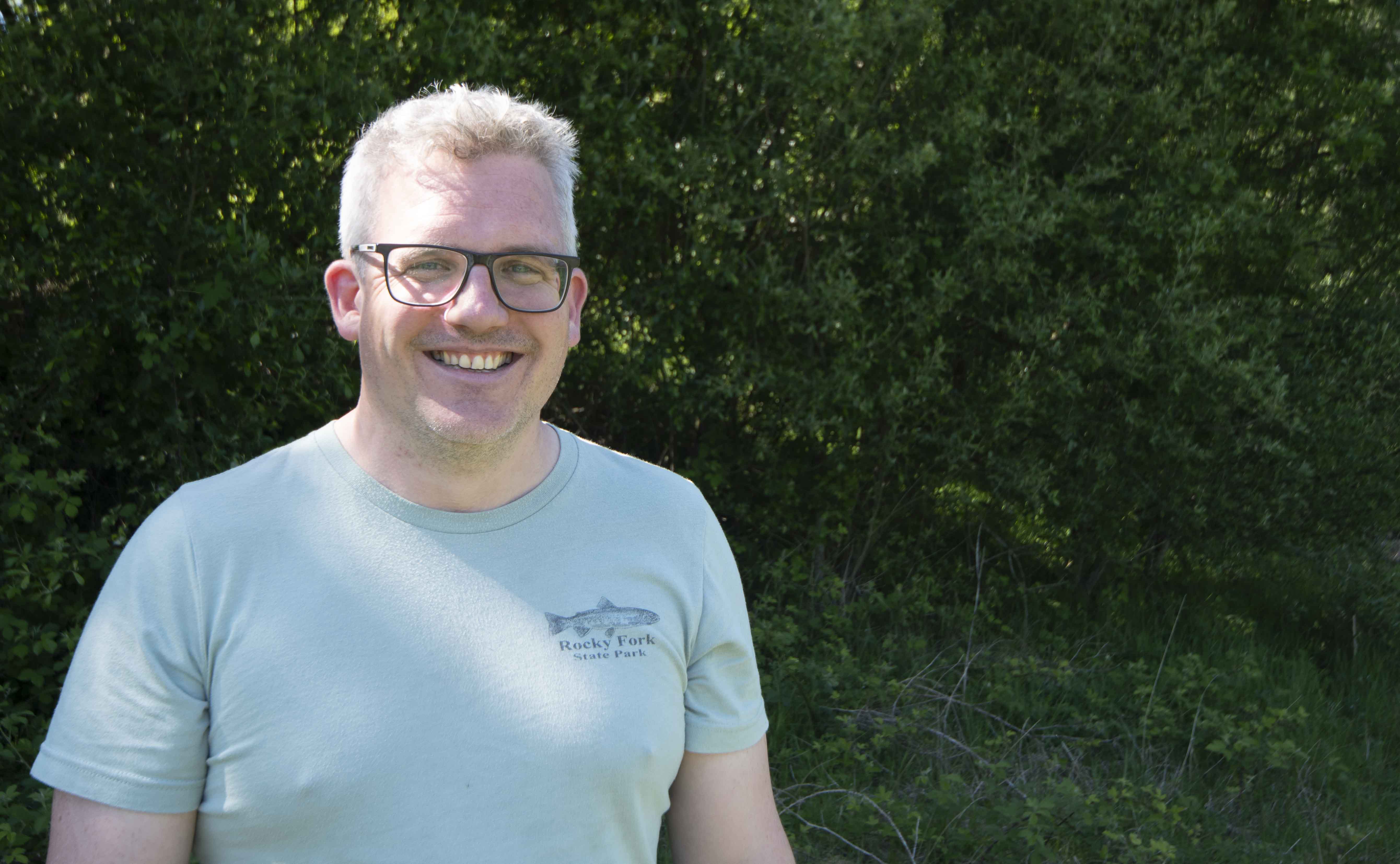
The aim this project was twofold. Firstly to create habitat for pollinating insects and secondly to restore former mine sites, especially open cast, for humans to enjoy. This project was another overseen by Matt Cross. Emily Hay was the project officer who did a lot of the early work on the project and was recruited shortly after COVID restrictions were lifted.
"It takes a long time to restore heavily degraded sites but there are really strong signs of progress, it's really pleasing. We have massively exceeded our targets."
The process for planting for pollinating insects is really simple. Hand spreading commercially available mixed seeds directly onto the bare ground. Some will be eaten by birds and wildlife, some may be washed away, but the majority will find a nook and germinate into a plant.
The chosen mix is not a bright, showy affair but a natural mix of grass and native plant species.
"As agriculture intensified and made more use of chemical fertilisers, the conditions were great for grass but that strangled out the flowers. We have lost more than 90% of our diverse grasslands. The mining sites are great for restoring that as they have no agricultural value."
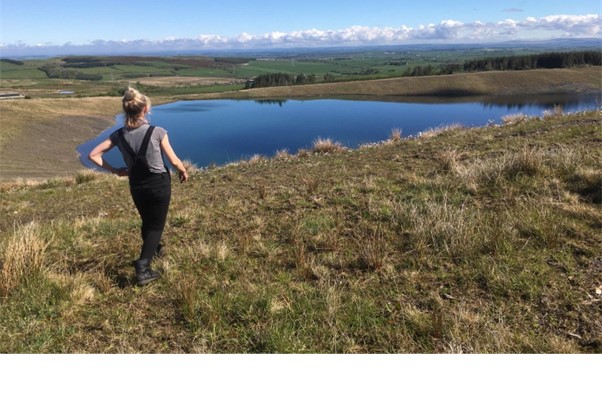
The biggest problem is that the soil was all subsoil and crushed rock, some of it from deep under the surface. That meant that it was very low in nutrients. That means that grasses don't grow very well.
The good news is that wildflowers need less nutrients than grass. This means that the flowering plants can establish themselves first. This actually mimics the conditions of a traditional meadow where repeated growing and cutting of the grass depleted the soil of the nutrients grass needs. That left the flowers in a stronger position to flourish.
In some areas the soil was enriched with treated sewage cake. Not words that you often see together. This is a safe residue from sewage treatment plants that helps activate bacteria and so release nutrients in poor soil.
We often think of honey bees as the prime pollinator or flowers and plants. Honey bees are not native to this country though and can out compete native species. Introducing honey bees would actually be a move in the wrong direction.
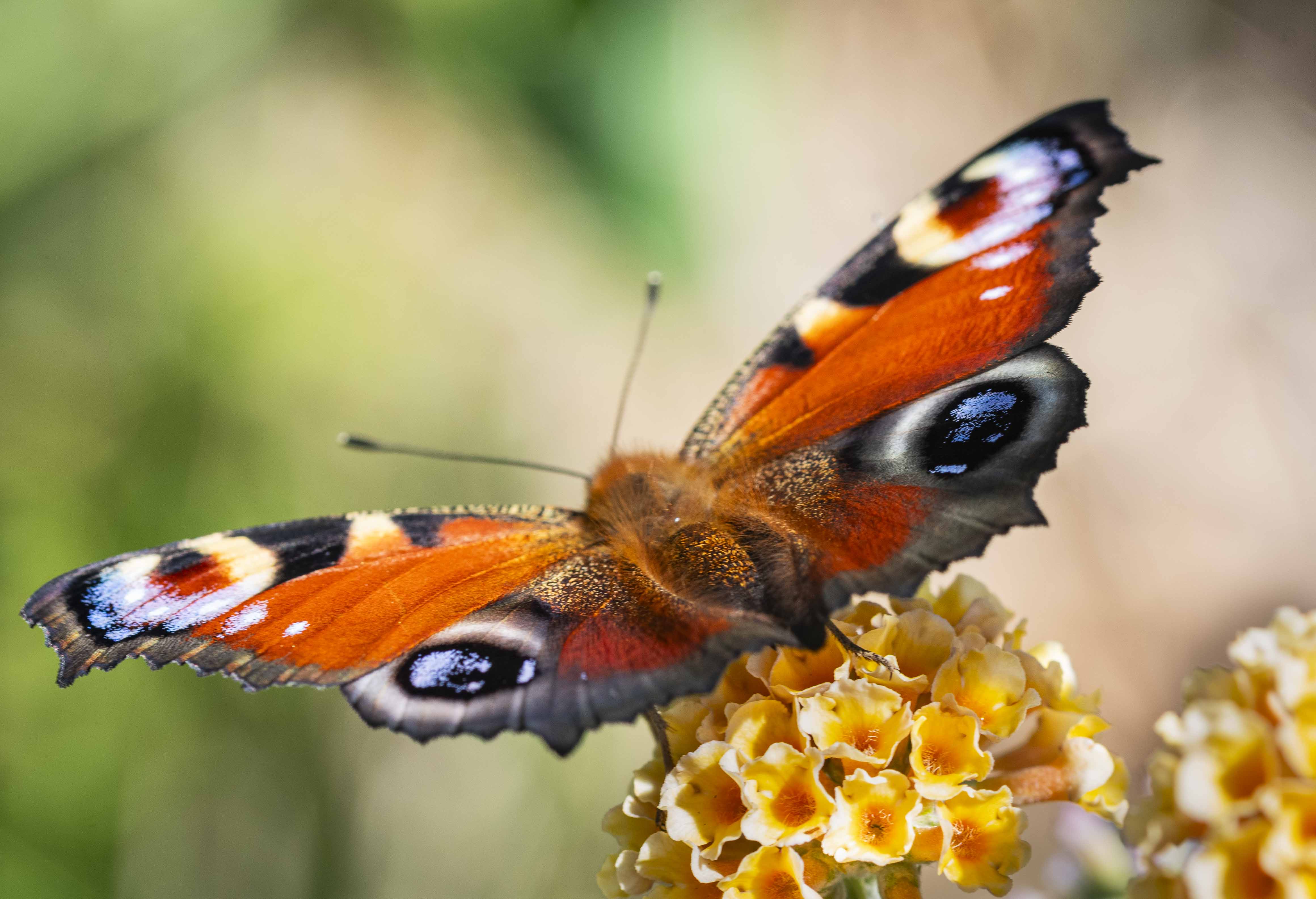
"You don't need to cultivate native bees. All they need is food plants for the larvae stages. The larvae and caterpillar food plants are actually the key to it all. People think it's all about the flowers but it's not. If there's food for the larvae, food for the pollinating insects (that's the flowers) and habitat for them to shelter in to survive the winter then they will sort themselves out."
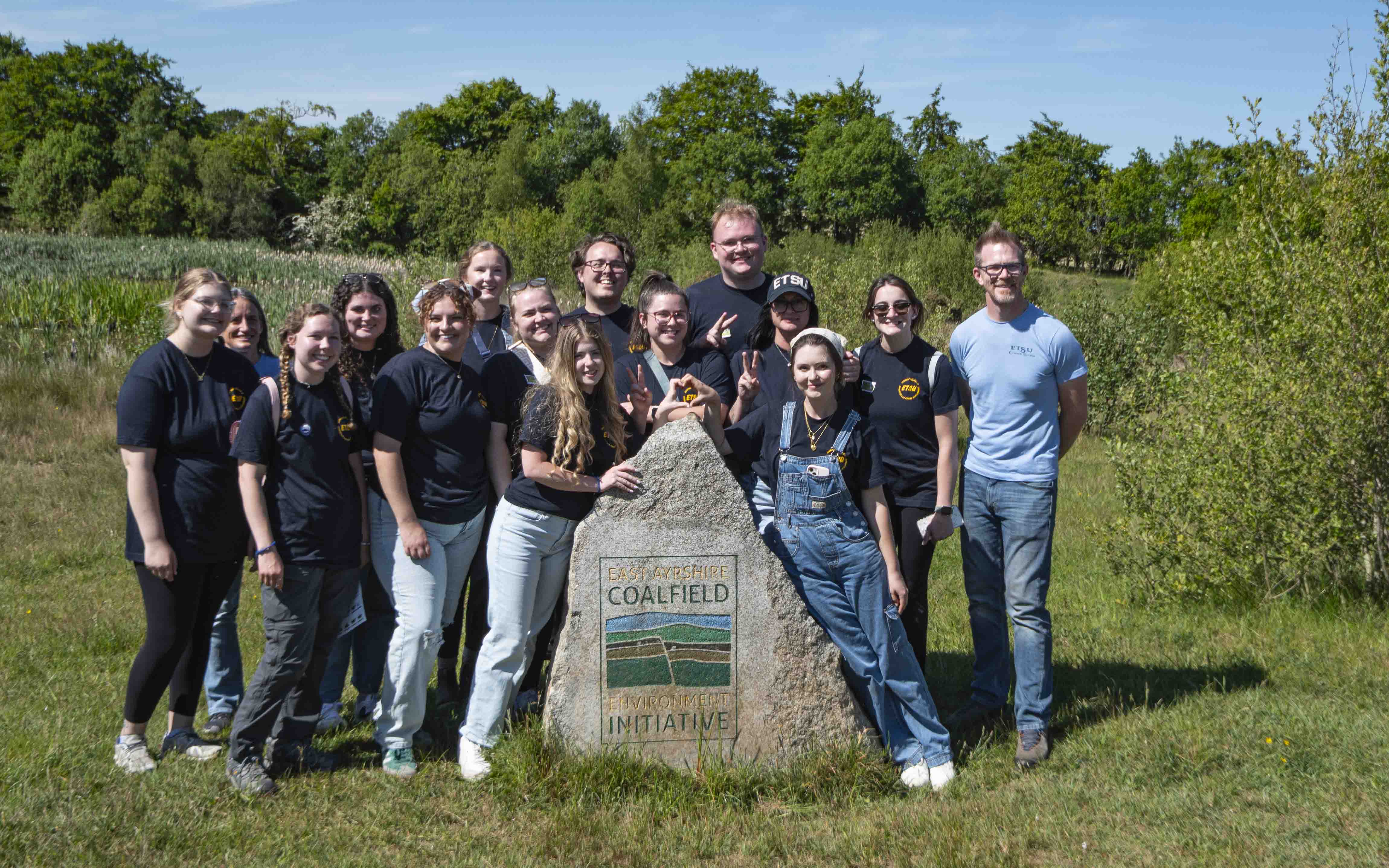
As with all of the CCLP projects, collaboration and partnerships were vital. They also throw open opportunities for participation from unexpected sources. In this case a group of student elementary school teachers from the United States helped with planting and surveying pollinator species.
Here at Hannahston Community Woodland, they are specifically looking for “Dingy Skipper” butterflies.These unassuming little brown butterflies are on the Scottish Biodiversity List and are a good indicator of healthy habitat.
Local input was of course incredibly important, with the bulk of the work being done by the people who live and work in the areas being planted.