Perfect Peatland Regeneration
East Ayrshire Coalfield Environment InitiativeThe peatland restoration project is about much more than just improving the area around an open cast site. The effects extend to improved habitat, flood prevention and even influencing climate change.
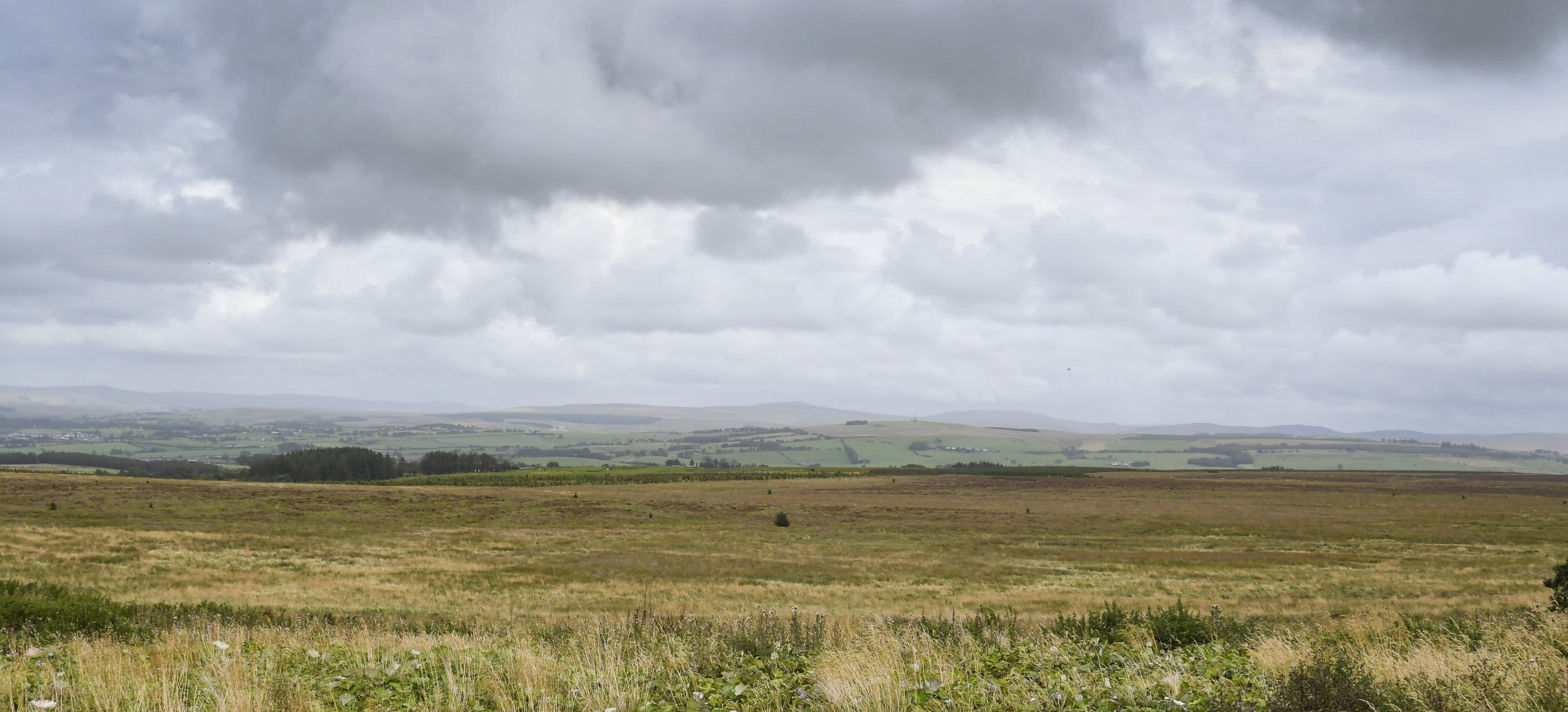
"After World War 2 there was a big push on food production. Lots of money was put towards draining peat bogs to improve grazing quality. Less moss, more grass so you can put sheep and cattle on there. That's what people thought was the right thing to do at the time because the emphasis was on food security." - Matt Cross

Unfortunately the plan did not work. Over time the drains collapsed and exposed bare peat. The bogs decayed into hags and the grazing did not improve much at all. Peat bogs are brilliant at storing carbon but as they degrade they release carbon and methane which is bad news for climate change.
Bogs are also great at storing water and regulating the flow of rivers. They help prevent flooding in heavy rain and release water during dry spells maintaining habitat for fish and other river dwellers.
Many areas were planted with forests for timber. This area seems to have been prepared for forestry but nothing was ever planted. The total area of the site here is around 60 hectares of which about 25 are blanket bog.
The plan is to create dams across the drains to “re-wet” the bog and change the profile of the drain edges for a more natural, less industrial look.
The plan is to create dams across the drains to “re-wet” the bog and change the profile of the drain edges for a more natural, less industrial look.
Jordan Ryan is the Project Officer for the East Ayrshire Coalfield Environment Initiative.
"I went out to the bog and surveyed it by measuring how deep the peat was on site in a grid formation. I used the Peatland Action Protocol as a guide. I mapped all the drains on the site using mapping software on the laptop with satellite imagery. Old maps were also very useful to see what happened there. Then from that information we designed the restoration scheme and got contractors on board to do the work. I wrote funding applications and put the plan through the Peatland Code so that the landowner could claim the carbon. Work will begin in October because we don't want to disturb ground nesting birds that are there in the summer."
Getting the conditions right through careful restoration allows the mosses and plants needed in blanket bogs to thrive naturally. Sphagnum mosses are really important in the process of making peat. Extending existing areas of bog by filling in drains allows local moss to spread. Bare areas of peat may need to be replanted.
"I'd love to see more areas of Glaisnock moss restored, helping connectivity between bogs throughout East Ayrshire. We are seeing dragonflies and short eared owls now. The restoration is helping animals that rely on the bog rather than other habitats. I didn't come from Ayrshire, I came to work with the CEI. It is really inspiring to see the work that is happening in this post industrial landscape. The people are so deeply committed to improving it and connecting the land back to the people who actually live there. The people I worked with are local and we chose a local contractor. It was a deliberate choice to use locals for sustainability and connection. When I was on site there were lots of locals walking dogs. They were very much for the restoration and preservation of the area."
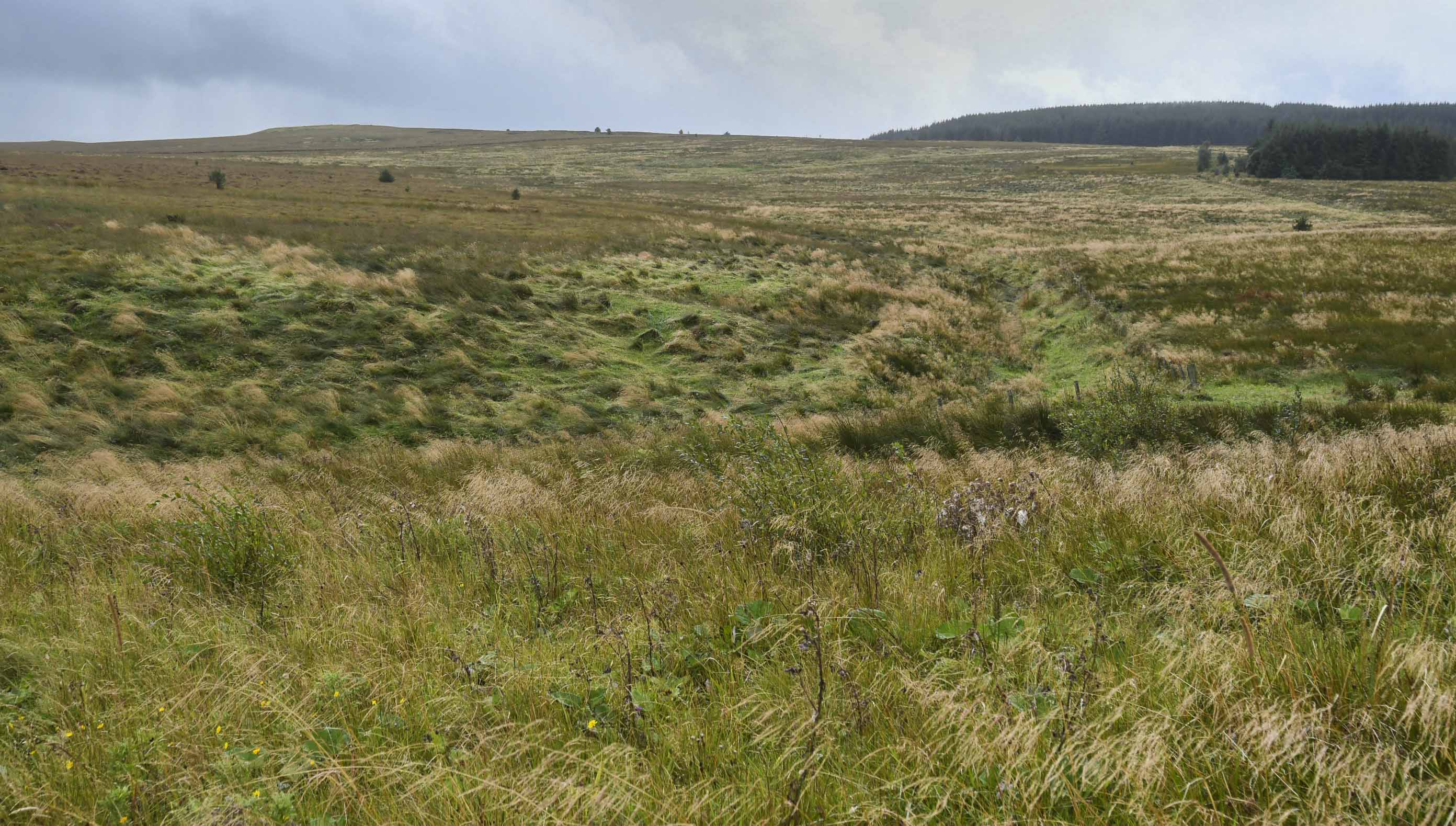
Scaling up the restoration of peatlands helps a much wider area than the bog itself through carbon capture, water retention and supporting ecosystems. Improved habitat has real benefits for wildlife and humans alike. Small projects can have a significant contribution to national and global efforts on climate change.
"A really healthy bog is a powerful carbon sink. It restores biodiversity and improves river flow by holding water at river heads by flattening out the peaks and troughs. This in turn helps the healthy river project." - Matt Cross