Landscape Apprentices
East Ayrshire Woodlands
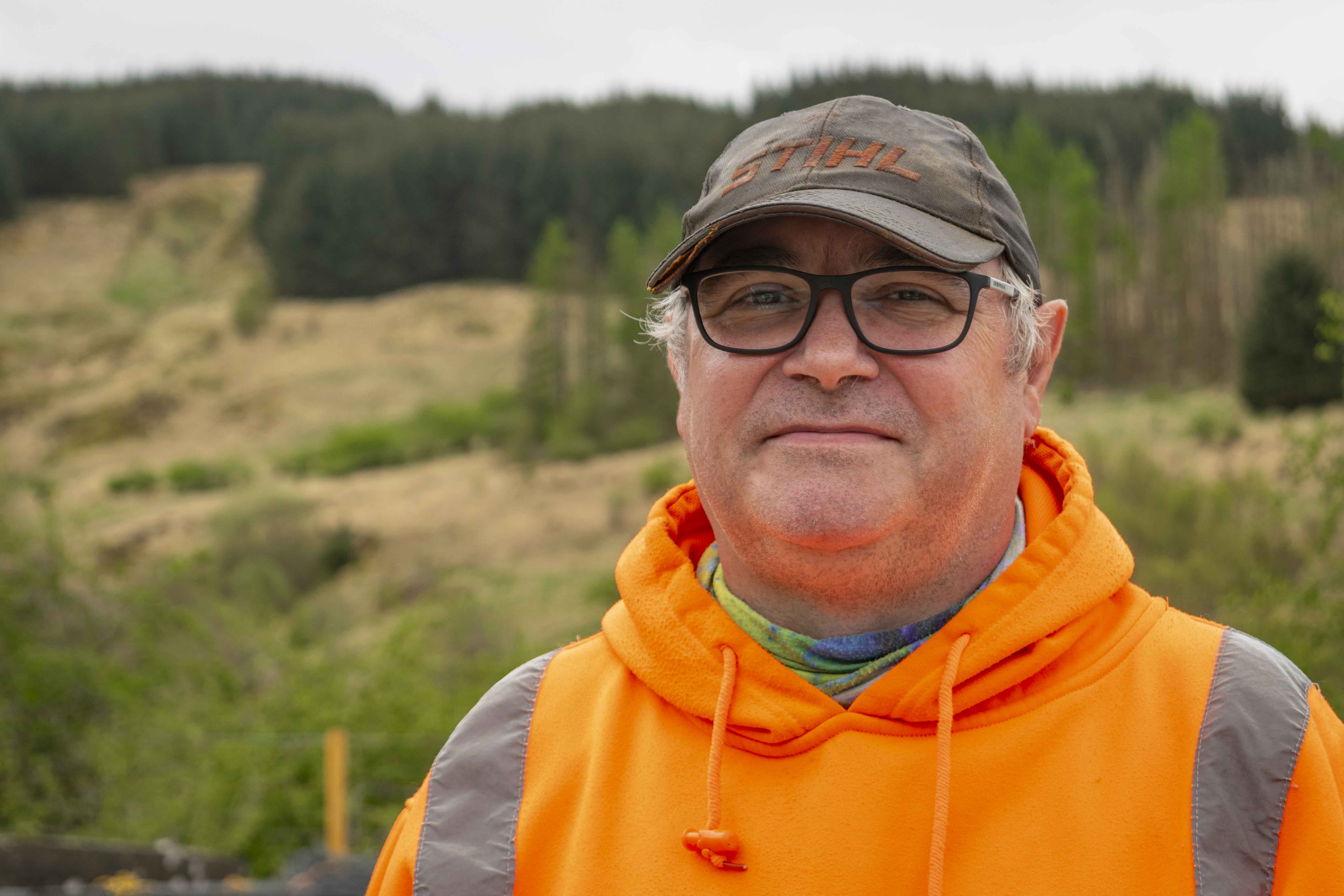
Reg Briers has been acting project manager for East Ayrshire Woodlands for the last two years bringing 18 years experience with him. His predecessor Bruce Davidson retired after a long career with the council so Reg was the natural choice to take over. The project is part of East Ayrshire Council, based within the council depot in Cumnock.
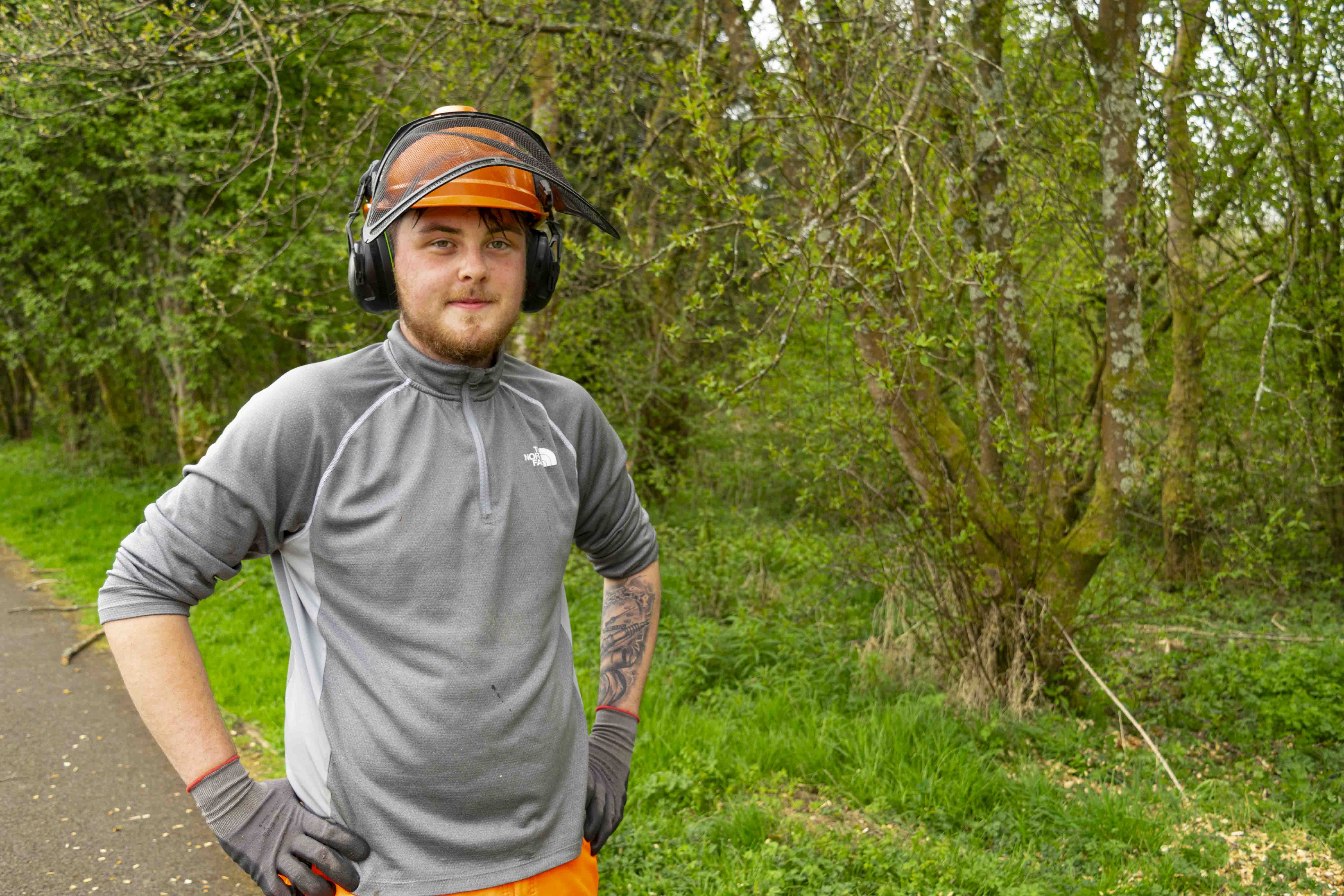
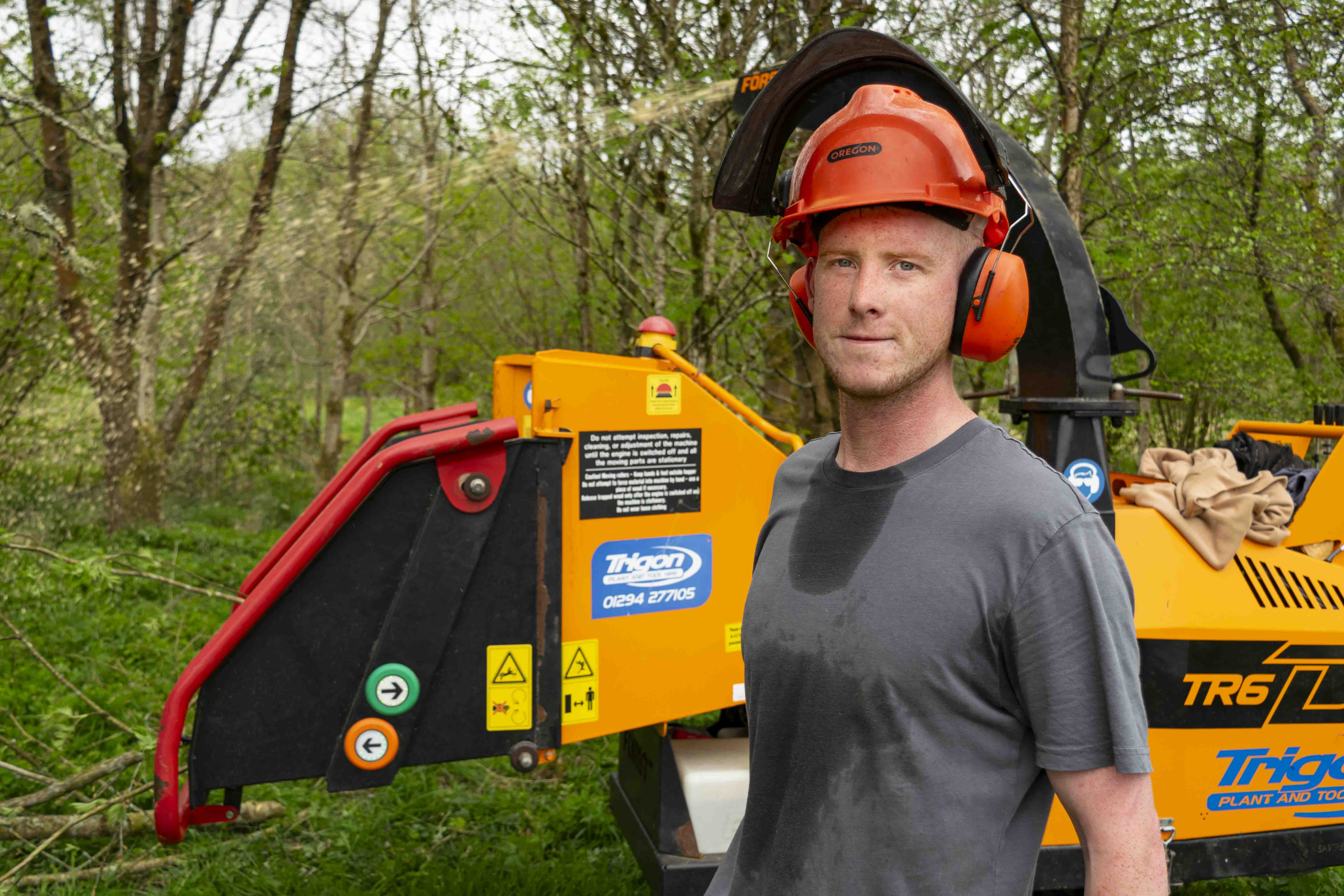
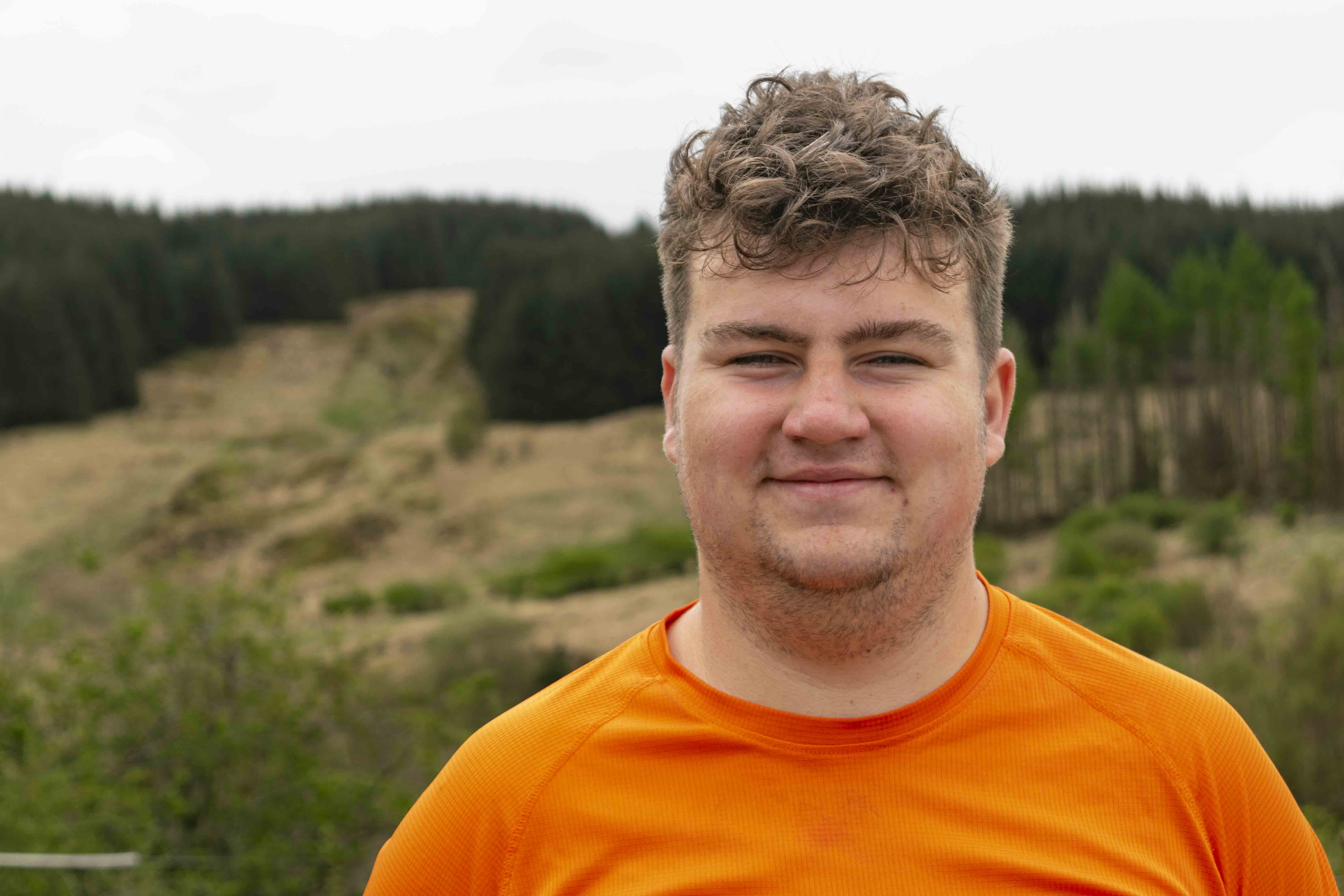
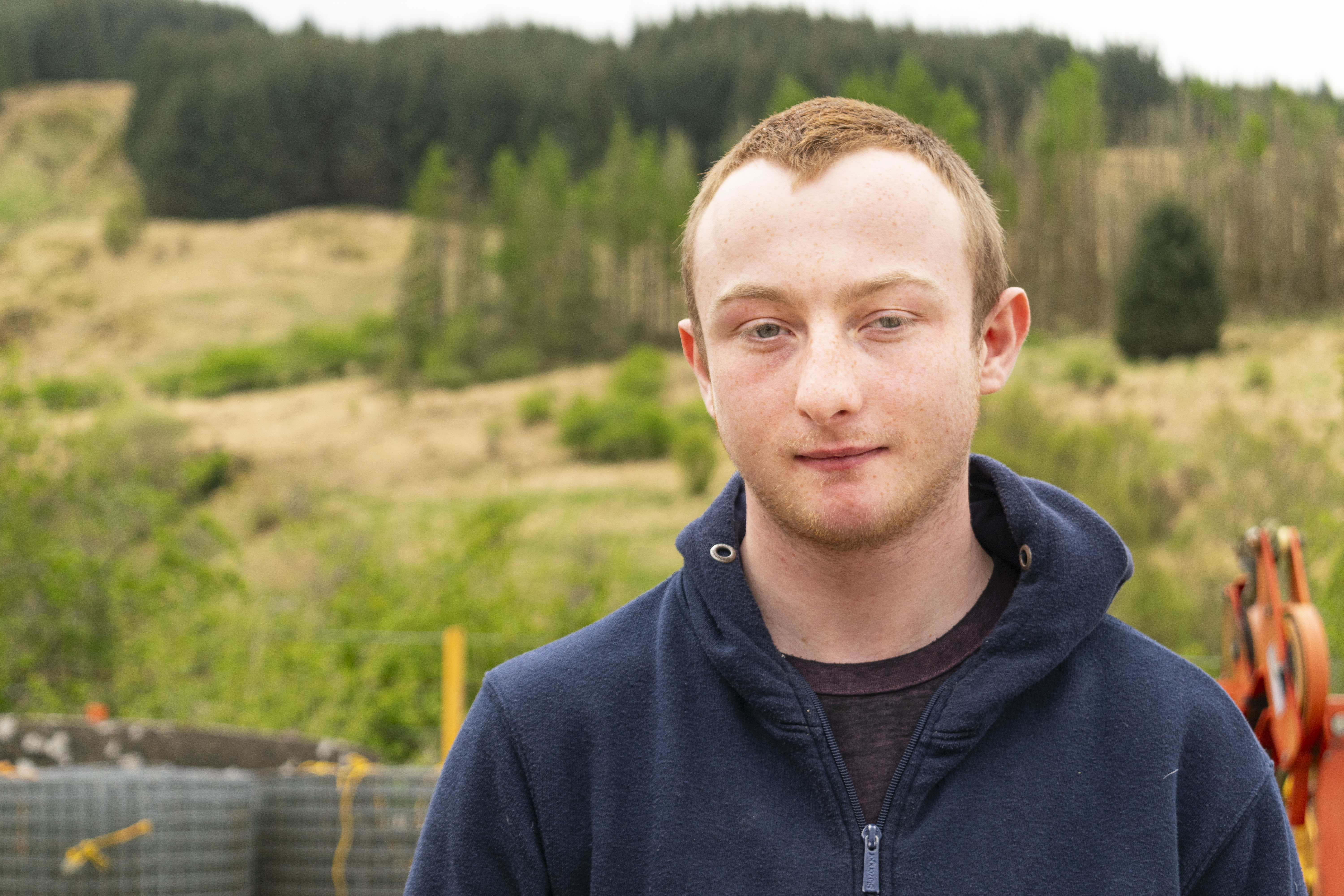
East Ayrshire Woodlands provides training courses and modern apprenticeships for young people while extending the tree stock and providing services to the council and private clients.
"The project began in 1996, supposedly for three years but Bruce kept it going with funding from the E.U. We have trained 650 people since then and probably got half of them into work. We train them for all types of tree work from chainsaw skills to chipping and making trees safe in parks and cemeteries etc. There are also woodland creation projects on a small scale, which all contribute to the net zero goals.
The CCLP has been a marvelous opportunity funding 15 modern apprenticeships since 2000. Out of those we have had 12 go to full time employment. It is difficult to keep track once they leave here as they change jobs quite frequently. They do that for a reason though, they become ever more employable. The skills they have learned puts the power in their hands rather than that of the employers."
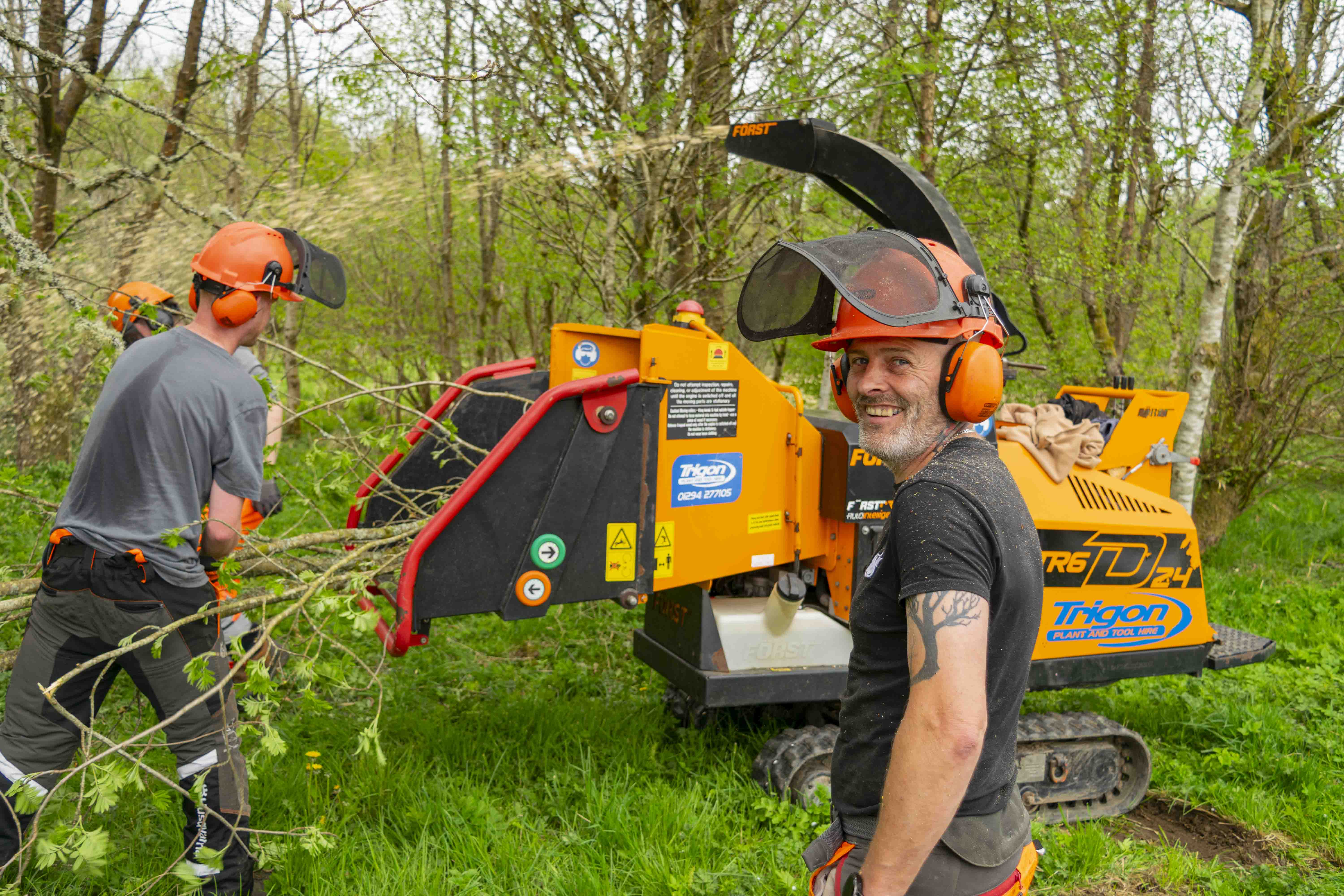
Project clients include the Ayrshire Roads Alliance and Greener Communities which are both part of the council, notably for storm damage. Forestry and Land Scotland have awarded the apprentices a tree planting contract and they have been working with Eadha planting rare and endangered species.
Hargreaves Services PLC who own several former open cast mine sites have provided significant investment to regenerate the landscape and return it to a green, useable landscape. It can take anywhere between £500,000 to £1 million to restore each site and tree planting forms a part of that. The soil is often less than ideal for forestry so the water body often becomes a feature and the trees are more for landscaping than commercial use.
"It is important to keep work sites and clients happy, it is a win- win, people get training and clients get what they need done. It's very worthwhile. We have a very good relationship with clients and landowners so there are always projects on the back burner that we can go to when funding comes in. I hope we can continue to keep funding in place. There will always be young people, so we want to be able to offer them choices, from business management, managing parks and green spaces to tree and timber work."
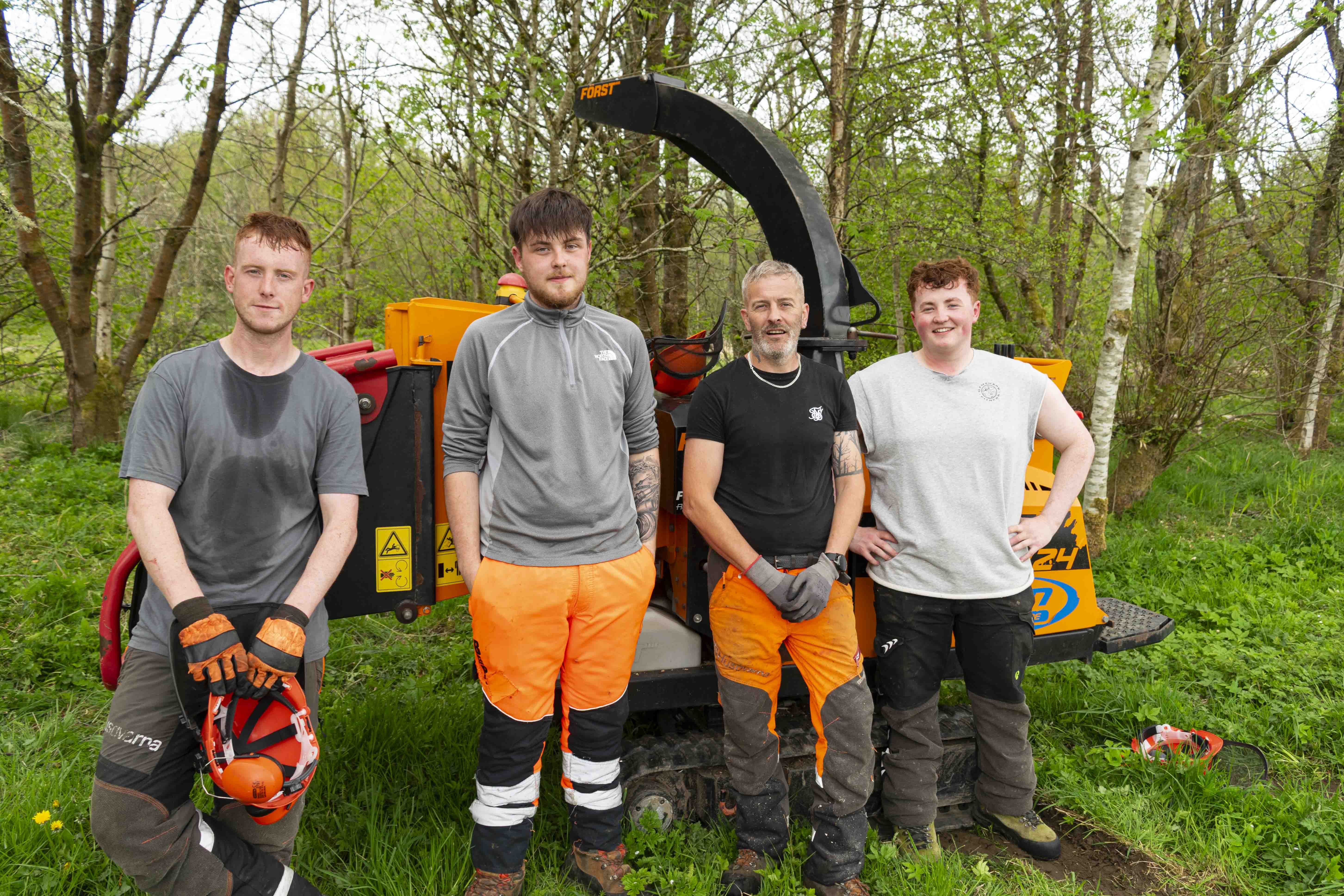
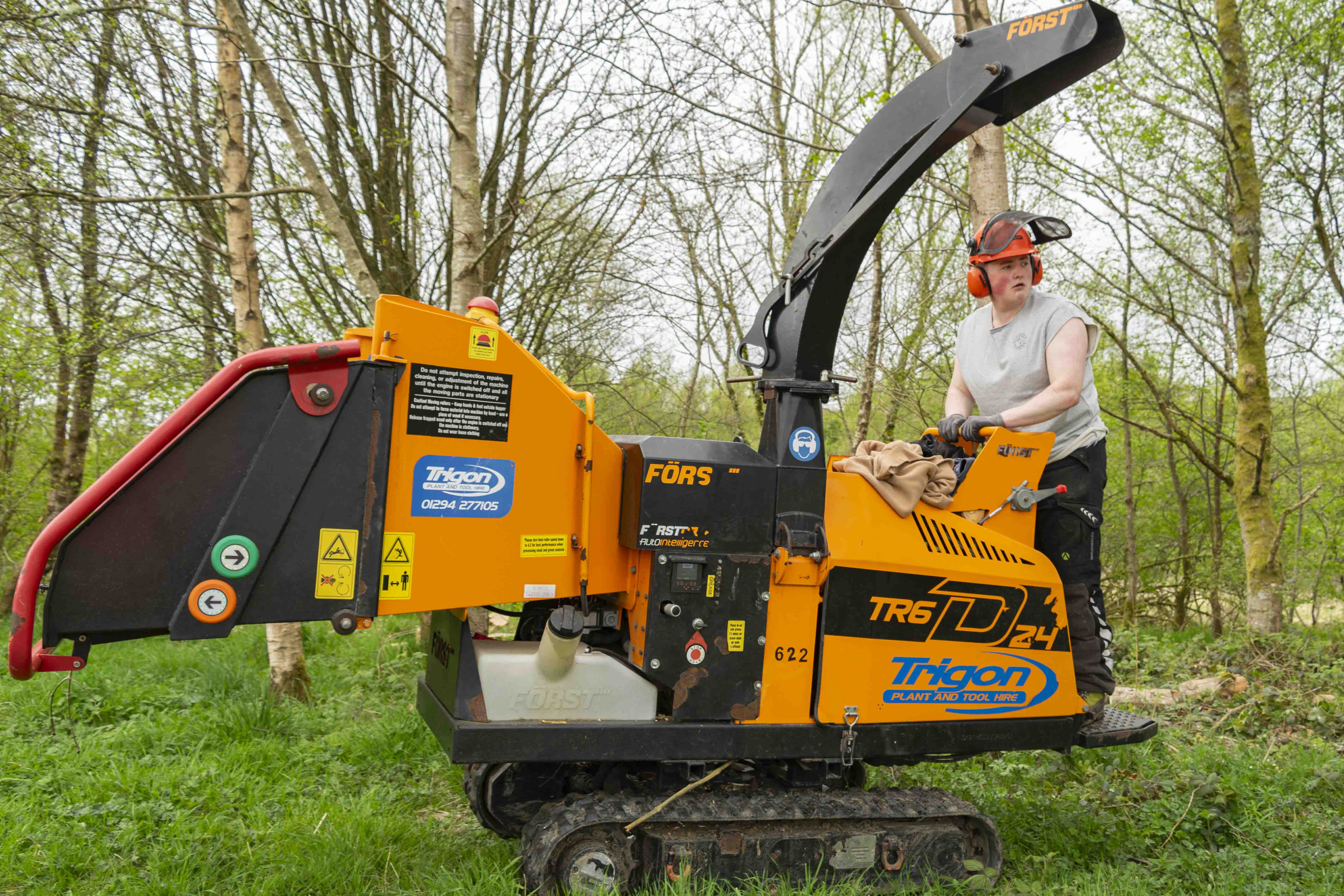
The team are pictured working here in community woodland in Patna along the Doon River thinning out trees that were planted twenty years ago and chipping the cuttings to improve the soil. While providing additional habitat.
Reg is very keen on woodland creation, having chosen it as the subject for his dissertation. The ideal is to create natural looking woodlands using native species around rivers and lochs where they would be found naturally rather than the regimented blanket cover of commercial forests.
The small scale woodland creation opportunities are a perfect way to accomplish this while teaching apprentices.
"Commercial forestry is very important to the country as we are still the largest importer of timber, but we can do something softer with more native species. They will cope better with climate change. We don't know what the outcome is going to be for the more exotic species, especially pines. As the climate gets warmer and wetter pests that have been introduced to Scotland can thrive. They are not necessarily pests where they come from as it is colder and drier there, but they like the warmer, wetter climate here. Ramorum in Larch has depleted 7% of all tree stocks in south west Scotland. What is going to be the next pest? We don't know and we don't have the resources to find out. They have found Ramorum in Sitka Spruce but it has not sporulated. If it does and becomes wind borne that could be disastrous as that is the main species in SW Scotland. We could see a huge collapse!"
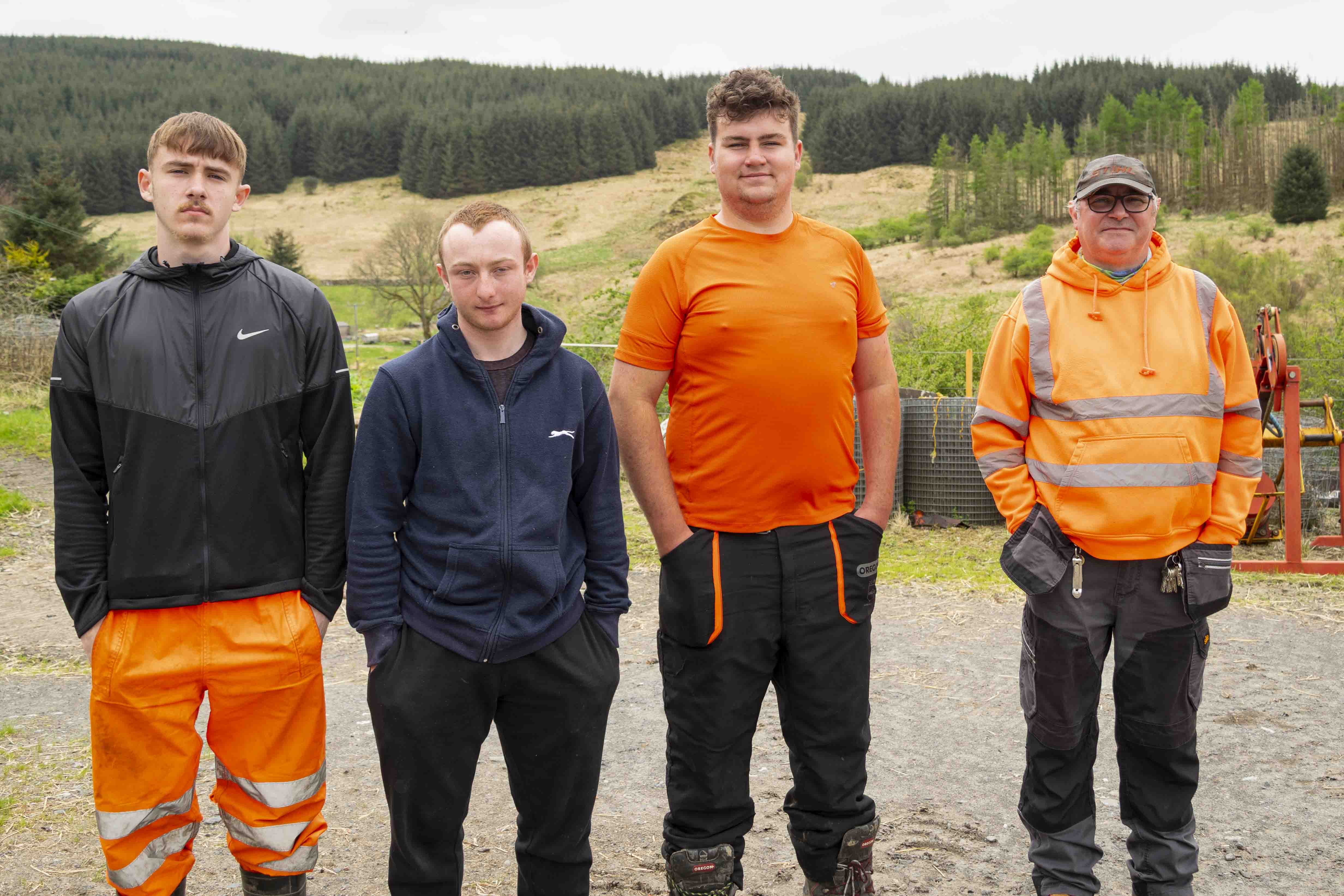
Reg is hopeful for the future especially in terms of the young trainees going through the project. Environmental projects are always at risk when money gets tight but the apprentices themselves and the woodlands that they have helped create are a long term investment.
Apprentices don't just gain the skills during their time with the project. Hands on experience and time on the tools is vital for employment. Qualifications alone are not enough for employers. Real world experience is essential and arguably more valuable than a certificate. Apprentices leave East Ayrshire Woodlands with both.
"In terms of a legacy, I would want it to be putting young people through training. Seeing the transition from when they first come into the room to register to when they leave two years later the transformation is quite big. At the end of the two years you have a very changed person. Seeing that is very enjoyable, they have qualifications and something to offer. That's good to see."