Ploughing Up the Past
Cumnock History GroupKay McMeekin is the chair of Cumnock History Group, inheriting both the role and the lead on the project after the sudden death of fellow member Bobby Grierson in 2020.
“Bobby had heard about the CCLP projects and we were looking for something that would fit in. What would the subject be? We came up with the idea of researching local farms. I already had a list of farms that did not exist any more. We thought it would be interesting to find out what happened to them, why they didn't exist any more. We researched almost a thousand farms in the parish of Cumnock and the neighbouring parishes of Auchinleck, Ochiltree and New Cumnock.”
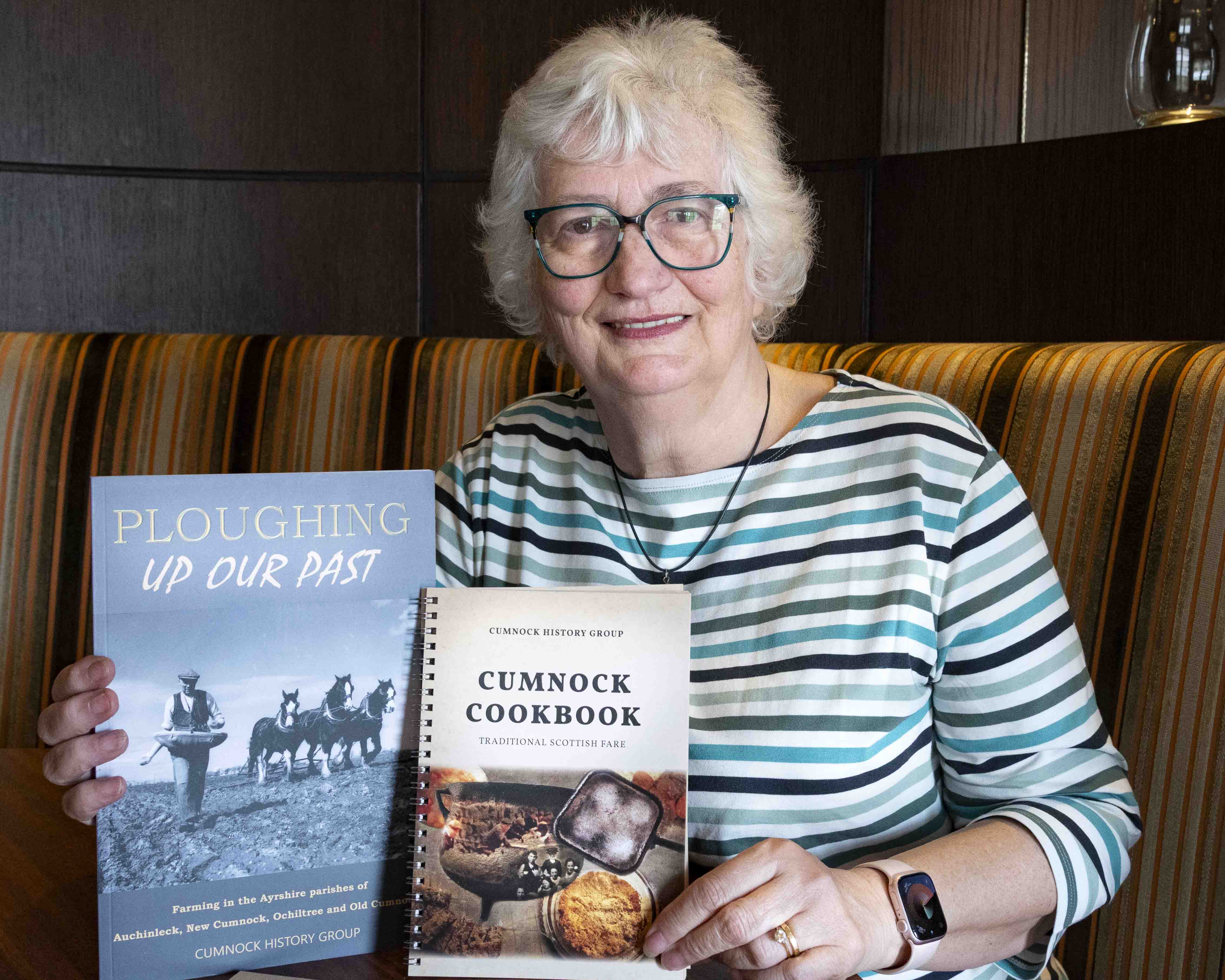
Many of the farms amalgamated, some of the more remote ones were probably just not viable any longer and some are still in use. Back in the day they would probably have been more mixed use but as a lot of them were quite high hill farms there was much less arable. It was mostly sheep and cattle with the cattle being more for dairy than beef production.
The Ploughing Up the Past project started out as a blog and that still exists. Each farm was researched and the findings recorded as a blog post that researchers could add to. The idea to bring it all together into a physical book came later.
Records from the National Farmers' Union provided the basic starting point, then researchers started speaking to local people from the farming community. Once the pandemic hit interviews were predominantly through Zoom. A new Facebook group was created with the same name as the project and lots of people began to contribute through that.
There were five or six volunteer researchers from the Cumnock History Group working on the project bringing together contributions from all over the world.
As covid restrictions began to be lifted site visits to farms resumed, often including photographs of farms as they are now. One of the members even took drone pictures for the collection. In the 1950s and 60s there was a trend of taking pictures of the farms from light aircraft so there is lots to compare. Many of those are now available on the group website.
"Carolann from the CCLP helped us with the launch and the community events too, that was two years ago now. Butter making workshops were really popular, they were intended for the kids but loads of adults signed up. We had fun days at the Baird Institute, Dalmellington and Netherthird garden."
The farming community is still very close knit with many of the farmers having family ties throughout the area. Robert Stevenson was a major contributor to the project and is a classic example as he has relations still working the land all over Ayrshire.
"Stevensons' Dairy Farms, as was, was a model farm and people came by the coach load to study how they were doing things. Robert is amazing and has an incredible memory for facts. His mother used to entertain and cater for the visitors to the farm and our cookbook is based on her recipes. We have sold over a thousand copies and I'm told it is a best seller at Dumfries House gift shop."
The research for the project went back to the 1800s as records were sparse before then. During this time the number of farms in each parish have dropped significantly. Auchinleck had 96 of which 26 are still in operation now. In New Cumnock there are only 27 from 110. In Ochiltree 55 remain from 120 and a mere 20 from 110 in Cumnock.
As the coal mines closed and the miners' rows disappeared folk moved to the towns and a lot of the community links faded. The farming community has fared much better, partly through familial ties but social and professional links are very strong.
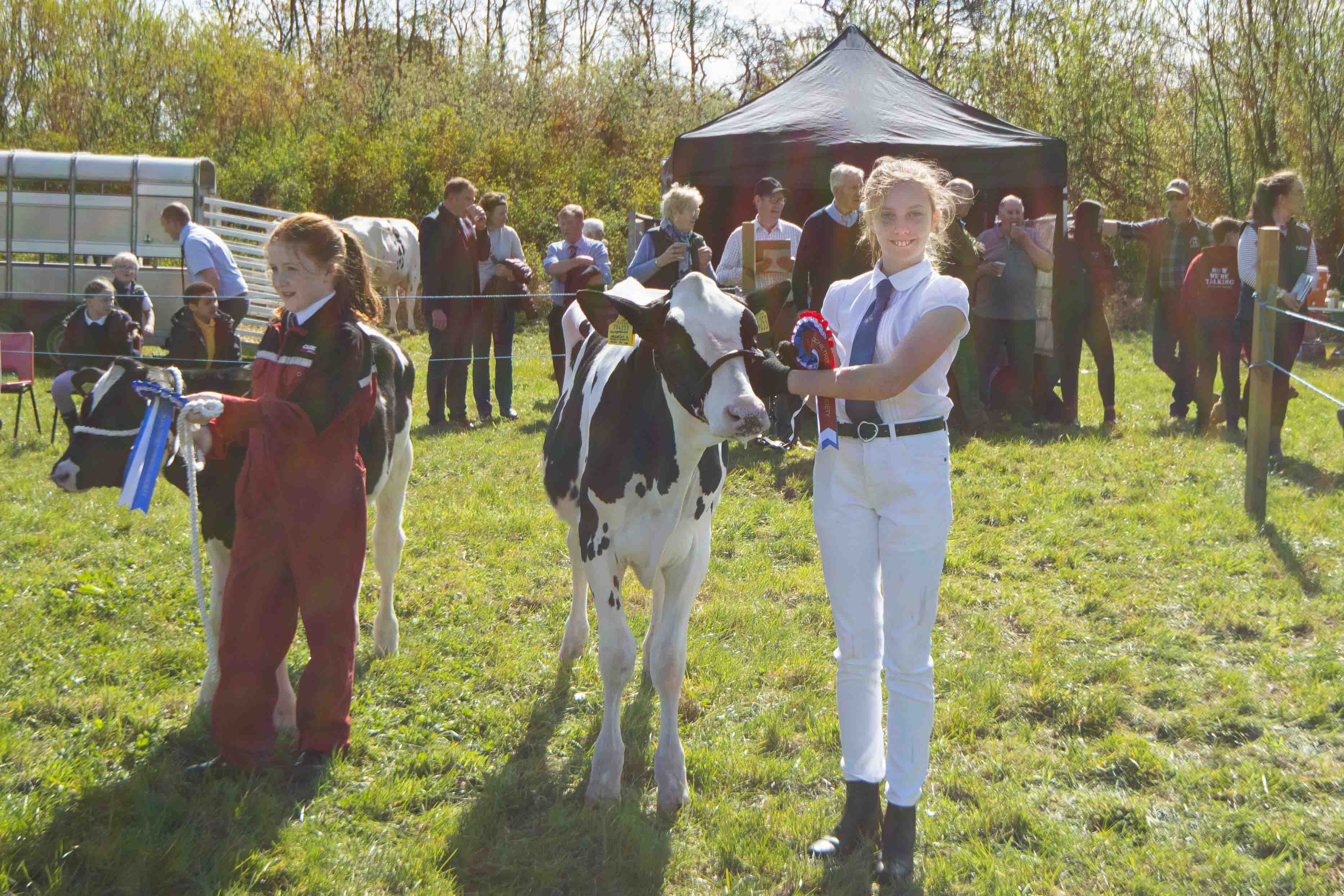
The Farmer's Union has an active membership and folk meet at markets or shows. There is a Women's Institute and a Young Farmers group that meets regularly in Stair and has social events throughout the year.
Cattle and sheep markets provide income as well as a real social element.