Coalfield Place Names
University of GlasgowProfessor Thomas Clancy is the head of Celtic Studies at Glasgow University. Dr Simon Taylor is reading Scottish Place names, also at Glasgow University. Together they were commissioned by the CCLP to compile a database of place names in the East Ayrshire Coalfield area.
The project came about as they had just completed another similar project in Dumfries and Galloway.
Initially using Ordnance Survey maps from the 1920's it became clear that the list of names was going to be a long one. At this point in time the mining industry was taking off and villages were popping up all over the area.
A comparison with maps 20 and 30 years later showed that the rate of change was huge with many of the villages already disappearing.
"The scale of the project was huge. We studied the five parishes and there were more places in the parish of New Cumnock than there were in the whole of Clackmannanshire.” - Dr Simon Taylor.
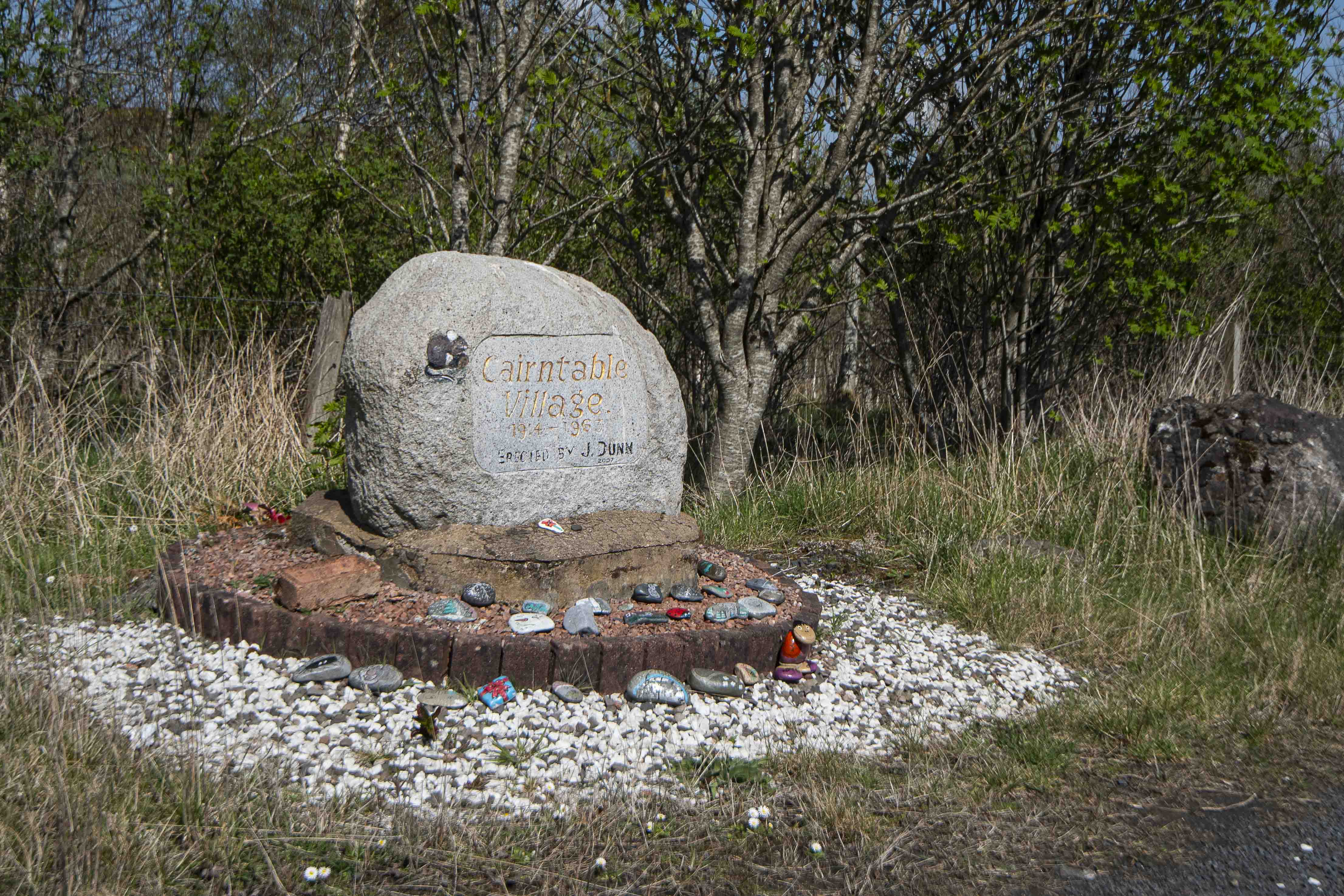
"It is about language really, it is very clear that Gaelic was spoken here. It is not clear from when or until when that was the case, but certainly over several hundred years, highlighting that it was once a Gaelic area." - Professor Thomas Clancy.
The plan was originally to include interviews with local people to capture memories and especially informal names of places that were not written anywhere. This approach was very similar to the Lost Villages project and there is some overlap. The focus of this project though is more about the language and origins of the place names rather than life in those places.
Dr Eila Williamson was tasked with this however the Covid 19 Pandemic severely curtailed that plan. The Cumnock History Group came to the rescue. Their Ploughing Up The Past project focused on recording farms in the area over the years.
Bob Guthrie is also credited with significant assistance with his extensive local knowledge and website New Cumnock History. It is notable that both had access to information and tangible assets such as letters and press clippings that academic research alone would never have uncovered.
The research will form an online database that the public will be able to access and interact with. It will help anyone looking for family history or researching language or land use. The landscape has been altered in a huge way, especially as mining moved to open cast. Many places were simply swallowed up by excavations or buried under the spoil heaps.
Even in the early days of mining things moved and changed very quickly as seams were sought out, exploited and exhausted. Entire villages moved in search of the black gold.
"Place names are an important part of history. Sometimes they are the only written evidence or memorable record from before written history started." - Dr Simon Taylor.
The project is still ongoing with so much data to be sorted and input. Dr Carly McNamara has joined the team to assist with the task. There will also eventually be physical copies in book form, however they are going to be large volumes.